
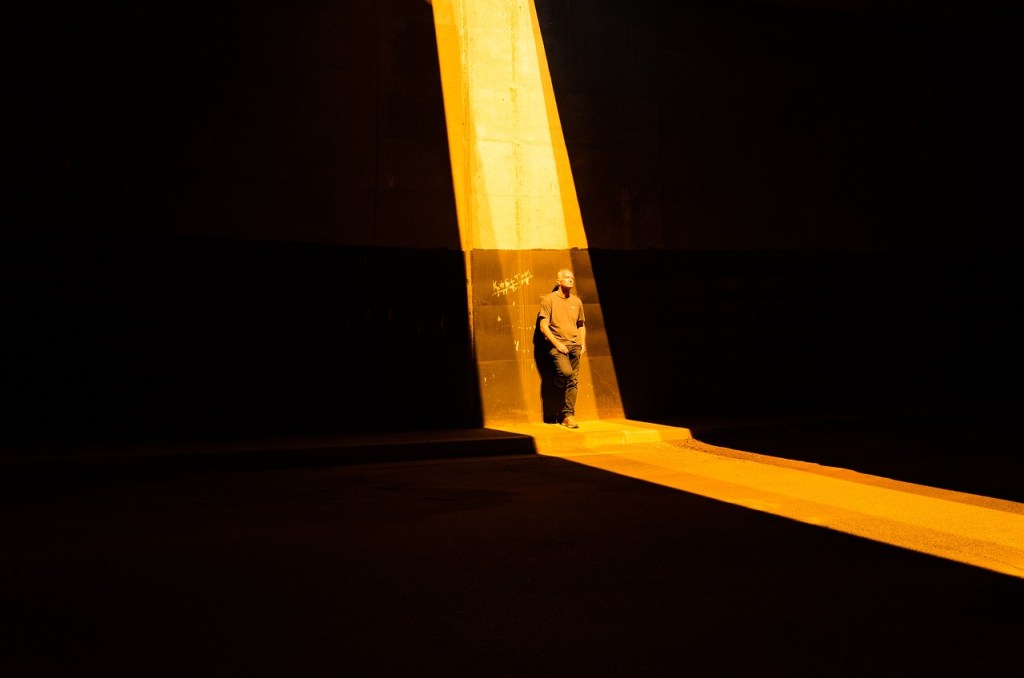
A study of John 3:19–21
“And this is the judgment: the light has come into the world, and people loved the darkness rather than the light because their works were evil. For everyone who does wicked things hates the light and does not come to the light, lest his works should be exposed. But whoever does what is true comes to the light, so that it may be clearly seen that his works have been carried out in God.””
John 3:19-21 ESV
Definitions of the original language in the context of this passage:
-Judgment: “krisis”, “κρίσις”; feminine noun — that judgment which Christ occasioned, in that wicked men rejected the salvation he offered, and so of their own accord brought upon themselves misery and punishment: αὕτη ἐστιν ἡ κρίσις, ὅτι etc; judgment takes place by the entrance of the light into the world and the contempt which men have for this light.
-Light: “phōs”, “φῶς”; neuter noun — is used to denote truth and its knowledge, together with the spiritual purity congruous with it; especially the saving truth embodied in Christ and by his love and effort imparted to mankind.
-Men: “anthrōpos”, “ἄνθρωπος”; a human being, whether male or female; in the plural, people.
-Loved: “agapaō”, “ἀγαπάω”; verb — denotes to take pleasure in the thing, prize it above other things, be unwilling to abandon it or do without it.
-Darkness: “skotos”, “σκότος”; neuter noun — darkness; metaphorically: of ignorance respecting divine things and human duties, and the accompanying ungodliness and immorality, together with their consequent misery in hell.
-Works (Deeds): “ergon”, “ἔργον”; neuter noun — an act, deed, thing done; works devoid of that life which has its source in God.
-Evil (v.19): “ponēros”, “πονηρός”; adjective — in an ethical sense, evil, wicked, bad, etc.
-Evil (v.20): “phaulos”, “φαῦλος”; adjective — bad, wicked; to do ill.
-Hates: “miseō”, “μισέω”; verb — to hate, pursue with hatred, detest; passive, to be hated, detested.
-Should Be Exposed: “elegchō”, “ἐλέγχω”; verb — by conviction to bring to light, to expose.
-Whoever Does (He Who Practices): “poieō”, “ — to act rightly, do well, to act uprightly; to designate performance.
-Truth: “alētheia”, “ἀλήθεια”; feminine noun — the truth, as taught in the Christian religion, respecting God and the execution of His purposes in Christ, and respecting the duties of man; to exemplify truth in the life, to express the form of truth in one’s habits of thought and modes of living.
-May Be Clearly Seen (Manifested): “phaneroō”, “φανερόω”; verb — to make manifest or visible or known what has been hidden or unknown, to manifest, whether by words, or deeds, or in any other way.
-Carried Out (Wrought): “ergazomai”, “ἐργάζομαι”; verb — to work, to do, work out.
Observation/Summary (short explanation of what the passage says in your own words):
After explaining to Nicodemus that He, Jesus, the Son of God, did not come to judge and condemn the world in His first coming, but instead, He came to save the world; Jesus explains judgment will come upon those who reject Him. The judgment which those who reject Him will face is as follows: the Light (Jesus) came into the world to bring hope, life and salvation, but by and large mankind rejected the Light and loved darkness because mankind’s deeds were evil. Humanity, overall, hates the Light and does not come to the Light, because they do not want their evil deeds and hearts exposed. However, whoever does what is true does come to the Light so that it can be clearly seen by everyone that their good deeds have been “carried out in God.”
Implication (what does this mean to us):
These verses are the conclusion of Jesus’ discourse with Nicodemus and they follow John 3:16, which is perhaps the most quoted verse in the Bible, and rightly so. It is a succinct and beautiful declaration of the good news of salvation found in God’s only Son, Jesus Christ. But it is impossible to speak of salvation without speaking of why salvation is needed. After telling us God loves the world and sent His only Son to give eternal life, Jesus explains in verses 17–18 that all mankind is already under condemnation for sin, and He came to save us from this righteous condemnation. All who believe will be saved, but everyone who does not believe is already condemned because they have not believed in God’s only Son (verse 18).
Jesus did not come to condemn us. We already are condemned. He came to save us, and everyone who rejects Him is not condemned solely for their rejection; they are condemned already and only heap more condemnation on themselves by rejecting God’s gracious gift of His only Son. To reject Jesus is like spitting in the eye of someone who offers to take your place on death row. We are already on death row because we are born sinners. Jesus has taken our place and died the death we deserve, and to reject His loving offer is to choose to remain dead in our sin and heap more sin and condemnation upon ourselves by rejecting Him.
While Jesus did not come to condemn the world in His first coming, He does speak a lot about condemnation and judgment (John 3:36, 5:24, 8:15–16, 9:39, 12:47–48 etc.), because we need to understand why we need salvation in order to appreciate it. Whether we live to see the return of Christ or not, everyone will stand before Him. All those who have believed will be saved, and all those who have not will face just condemnation for their sin.
In this passage, John 3:19–21, Jesus provides more insight into the nature of the righteous judgment and condemnation mankind faces. He says the judgment is that the Light has come into the world and people loved darkness rather than the light because their works were evil. From this we learn we all face judgment and righteous condemnation for our sin, and the fault lies with us, not God. God is the author of salvation, and we are the rebels who need His salvation. Everyone who rejects God’s free gift faces the condemnation they deserve, and the fault lies with them, not God. In His complete sovereignty and control over every molecule in time and space, God created us with the ability to choose. With that comes the ability to choose to reject and hate Him or to love and receive Him. We bear the responsibility for that choice, and it has eternal consequences. God lovingly sent His only Son to save us, and He has given us the dignity of choosing whether or not to respond to His loving call.
But what keeps people back from accepting this free gift of salvation in Jesus? If it is so great, why do people still choose to reject Christ and face condemnation? Jesus provides the answer by telling us it is an issue of love. Human beings reject the Light because they love the darkness and their own evil deeds. This speaks of morality; good and evil. The moral dimension of belief vs. unbelief is critical. Whatever facade people present as the reason for their unbelief, be it, scientific disputes, philosophical arguments or a rejection of perceived “superstitions,” the root of their unbelief is moral depravity; a rejection of the Light and a love for the darkness. To admit the truth of the gospel, and to accept and believe it, requires acknowledging the evil in our hearts and lives, and turning away from darkness to Light (to repent).
In our natural state we all love the darkness and hate the Light. We do not want to obey the righteous and loving commands of Christ. We want to be our own lord and savior. Because of this, many people deceive themselves into thinking there is no Judge in heaven and they will never stand before One. It is the love of sin and self that compels people to believe and perpetuate this deception. But it is the Love of God that grants people who are dead in their sins, the ability to repent of sin, and confess Jesus as Lord and be saved. The love of sin and the darkness kills. But the Love of God and the Light, saves.
We also learn it is not only a matter of love, but of hate. As Jesus says in verse 20, “Everyone who does wicked things hates the light, and does not come to the light, lest his wicked works should be exposed.” There is no such thing as neutral indifference to the Light, meaning, Jesus Christ. There are only two possible responses, love or hate. All those who reject the Light of Christ, do so because they hate the light. This may show up as active hatred in people who actively work to tear down the church of Jesus through persecution, but it is also seen in those who appear to be indifferent or unconcerned with Jesus. Indifference is simply passive hatred. Think of it this way: Active hatred means wanting someone dead, and passive hatred means treating someone like they are dead by ignoring them completely. Those who actively work to tear down the church of Jesus, either with arguments or violent actions, exhibit active hatred for the Light. And those who care nothing for the Light at all and appear indifferent are exemplifying passive hatred. Love of the darkness always equals hatred for the Light. And hatred for the Light always equals love of the darkness.
The reason for this hatred of the Light is because mankind, in his natural, sinful state, does evil, loves doing evil, and does not want the evil works done outwardly or the evil contained within his heart and soul to be exposed. Mankind loves the darkness because in our natural state we do not even want to see for ourselves that we are evil and do evil. This is why the gospel is offensive to people. No one wants to hear they are evil and in need of spiritual rebirth unto righteousness. For this reason, without a miraculous work of God the Holy Spirit in a person’s heart, no one comes to the Light to have their evil heart and works exposed, to repent and ask forgiveness from God.
In contrast to this, “whoever does what is true comes to the light, so that it may be clearly seen that his works have been carried out in God.” To do “what is true” is to live in obedience to God’s commands, the foremost of which are to love God and others selflessly. This is impossible without the Spirit of God. Yes, we have a choice but we also learn from the Bible there is a divine mystery around the question of God’s sovereignty and our free will. The fact is God is in total authority AND we have free will. People like to pick one side or the other on this issue but from the pages of Scripture we can clearly see no one can come to God and repent unless He grants them repentance (2 Timothy 2:25–26) AND we must choose to accept this granting of repentance (Romans 10:9–10). Both are true and we will be held responsible for our choice.
This is one concept of many in the Bible, that is not an “either/or” but rather a “both/and”. God is both sovereign over all and no one can come unless He calls them and grants repentance AND all who receive this call must choose to accept this gift of mercy. No one will be forced to. God does not force us to love Him. What kind of love would that be? God, in His absolute sovereignty, gave us the dignity of choosing whether or not to love Him, because love that is coerced is not love.
Application (How does this change how I think, act and pray?):
From this passage we learn that unbelief in Jesus, however it may be presented outwardly, is a result of moral depravity, or a love of the darkness and hatred for the Light, as Jesus puts it. No one can love the Light or do what is true unless the Light of the Holy Spirit is working in them and drawing them to Jesus already. But while the first mover is always God, even in extending the call to repentance unto salvation, we must choose whether or not to respond to His call in faith. We cannot respond unless God calls us, but if we do not respond in faith we will be held responsible for our choice to reject Him. Jesus did not come to condemn, but He did come to tell us we are condemned already and salvation is only available in Him (John 3:17–18), the true Light that the darkness has not, will not, and cannot overcome (John 1:5).
Self Reflection:
Is there any part of me that still loves or is fascinated by the darkness? Have I honestly confessed this to God and asked for help to overcome it?
What spiritual disciplines have I implemented or can I implement to grow in my love for the Light by the power of the Holy Spirit working in me?
What does the fact that Jesus Christ, the Light, descended into the darkness to save me tell me about His majesty, glory and love for me?
 Home
Home 
Leave a comment