
A Study of Titus 1:5-9
“This is why I left you in Crete, so that you might put what remained into order, and appoint elders in every town as I directed you— if anyone is above reproach, the husband of one wife, and his children are believers and not open to the charge of debauchery or insubordination. For an overseer, as God’s steward, must be above reproach. He must not be arrogant or quick-tempered or a drunkard or violent or greedy for gain, but hospitable, a lover of good, self-controlled, upright, holy, and disciplined. He must hold firm to the trustworthy word as taught, so that he may be able to give instruction in sound doctrine and also to rebuke those who contradict it.”
Titus 1:5-9 ESV
Observation/Summary (short explanation of what the passage says in your own words):
Paul left Titus in Crete to appoint church elders in every town, and to put matters that remained in order. Paul told Titus the elders he appointed needed to be above reproach, the husband of one wife, and have children who believed and were not living insubordinate, debaucherous lives. Overseers of the church are God’s stewards, and they must be above reproach. They also must not be arrogant, short tempered, violent or greedy, but rather, hospitable, lovers of good, self-controlled, upright, holy and disciplined. They must hold firm to the trustworthy word as taught, so that they can teach sound doctrine and rebuke those who contradict it.
Textual Analysis and Implication (what is being said and what does this mean?):
Paul conducted a very successful missionary journey in Crete with the help of Titus, but then he had to leave so he left Titus behind to continue working to build up the churches. The most important task for Titus was to select mature and qualified elders, a.k.a. pastors, to lead the new churches, because apparently the people of Crete had a reputation, as said by one of their own prophets, for being liars, evil, lazy and gluttonous (Titus 1:12). This reputation reinforced the urgent need for capable leaders. This was not an easy job, but to Titus’ credit, Paul deemed him able, in the power of God’s Spirit, to complete this task. This would not have been a permanent assignment for Titus, but rather, a temporary task that he would move on from once it was completed.
Specifically, Paul told Titus he left him to, “put what remained into order, and appoint elders in every town…”. Titus was given the task of establishing order in the church. God is a God of order, and churches need good order and leadership. So, Paul told Titus to appoint elders, also called overseers, bishops, or pastors, in every town. The word elder, rather than speaking only of age, refers to the spiritual maturity required to lead a congregation. Now, establishing elders in every town was quite a job, because Crete was well known for having many cities. While Paul said each town should have a pastor, this does not mean each church should have only one, but rather, each church or town should have at least one. In this assignment Paul delegated substantial authority to Titus. He did not tell Titus to appoint leaders by popular vote, though it is reasonable to assume he took the opinions of others into account, but ultimately the authority to select these elders was given to Titus.
To help Titus with this monumental task, Paul gave him certain criteria to evaluate potential candidates for eldership. Beginning in verse 6 Paul says the man must be above reproach, or some translations say “blameless.” This does not mean he must be perfect, for no man but Jesus is, but it does mean he lives a life free of grievous sin. He needs to be a righteous man of upstanding character who is known as such in the community of faith. He must also be a husband of one wife. This does not mean he has to be married, after all, Jesus and Paul were not married. But if He is married, it must be to one woman. There are instances in other cultures of men coming to faith who have more than one wife. In such cases the man should not break his vows and divorce the wives he has already married, but rather, he should focus his attention on managing his household and such a situation does disqualify him from eldership.
Next the man’s children must be believers who are not open to the charge of debauchery or insubordination. If one is to be a leader of God’s children, he must demonstrate himself to be an effective leader of his own children. This does not mean someone whose children have grown to adulthood and walked away from the faith are disqualified, but it does mean the children in their household are believers who do not engage in wanton debauchery and all other manner of sinful delights the world has to offer. If the children in the man’s household do not live lives faithful to God, then such a man needs to focus on getting his own house in order, rather than taking on the responsibility of leading God’s household in the church.
Paul goes on to say an overseer as God’s steward must not be arrogant, or some translations say, self-willed. Stewards know they are managing their master’s holdings, and that they are answerable to the master. God is the master of the church and elders must be humbly submitted to His will, rather than arrogantly asserting their own. They must be others-focused instead of self-focused. They also must not be quick-tempered, a drunkard, violent or greedy for gain. The Greek word used for “quick tempered” is “orgilos” and describes a constant state of anger, not an occasional lapse. It describes someone who is always simmering beneath the surface and ready to boil over at any moment. Understandably they also must not be violent, and given the Greek word used we can widen this to include violence of speech in that they do not viciously and verbally tear others down.
After the list of what elders should not be like, verse 8 begins to say more of what elders should be like. They must be hospitable, a lover of good, self-controlled, upright, holy and disciplined. To be a hospitable person who loves good is to be welcoming to people and not loving the sinful and sordid things of the world. It is to be quick to make room for people even in one’s own home, and to love what God loves. To be upright is to be just and to act rightly towards others. To be holy is to live rightly before God, and to be self-controlled and disciplined is to live rightly towards one’s self. As Matthew Henry put it, “How unfit are those to govern a church who cannot govern themselves!”.
The first half of verse 9 then goes on to say, “He must hold firm to the trustworthy word as taught,”. Elders in the church need to know the Word and hold fast to it. They must acknowledge and treat God’s Word as authoritative and inerrant. They must not handle it flippantly or as if it is mere suggestion, speculation or conjecture. And he must also have been taught the Word in order to know the Word. This does not mean an elder has to go to seminary, but it means they must have been a student of the Word, who has received teaching and been discipled by someone whether it was in a formal or informal setting.
Next and lastly for this passage Paul says a church elder must know the word “so that he may be able to give instruction in sound doctrine and also to rebuke those who contradict it.” A capable and faithful elder in God’s church will use their Biblical knowledge and spiritual maturity to instruct and encourage others in godly living, as well as to discourage ungodly living and wrong doctrines. It is important to note that godly leaders do this based on their knowledge of Scripture, and not from a place of pride or politicking.
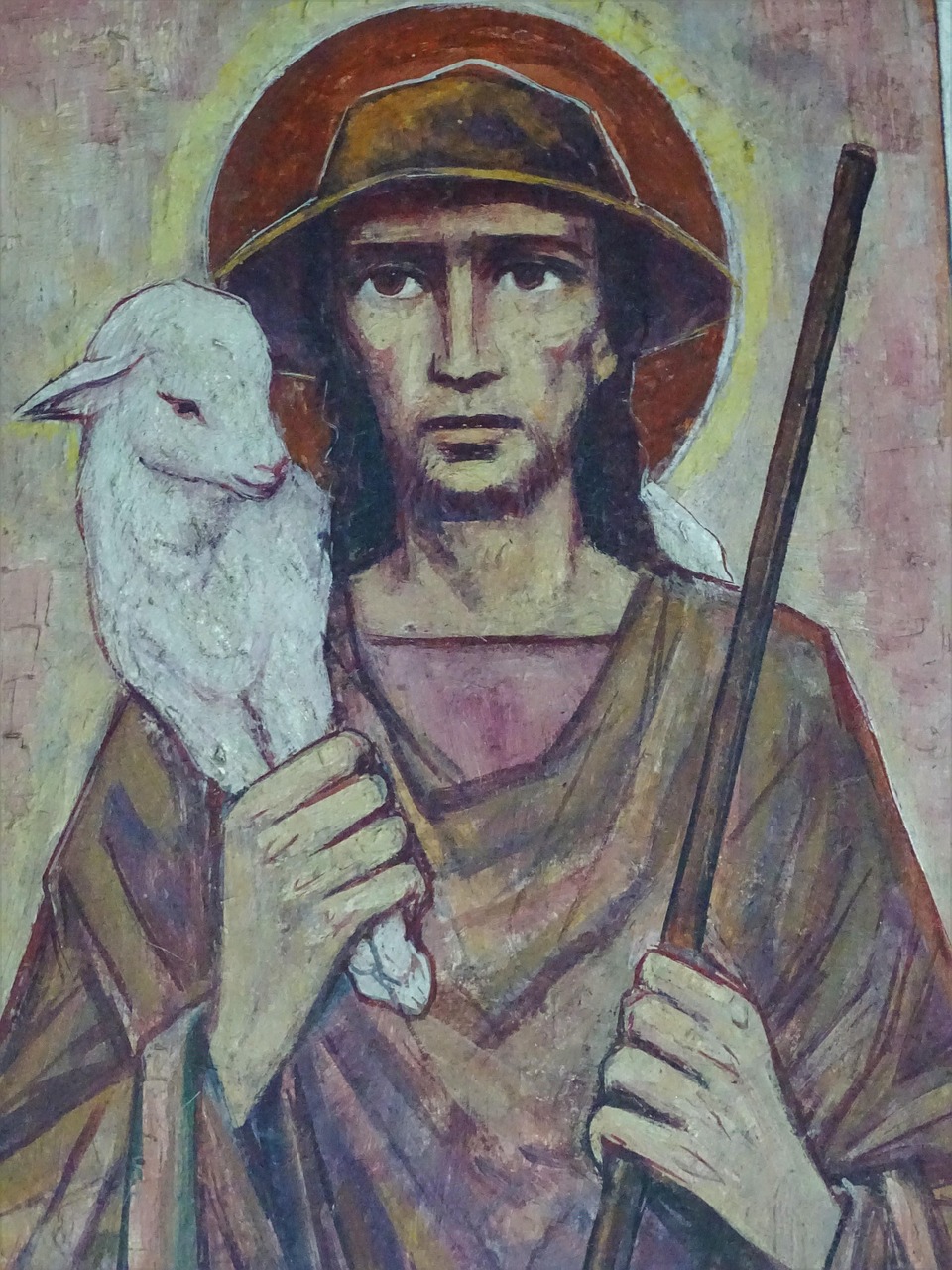
Also, the words of Paul from 2 Timothy 2:24-26 are instructive in the manner in which a person is to be corrected, “And the Lord’s servant must not be quarrelsome but kind to everyone, able to teach, patiently enduring evil, correcting his opponents with gentleness. God may perhaps grant them repentance leading to a knowledge of the truth, and they may come to their senses and escape from the snare of the devil, after being captured by him to do his will.” This tells us that while it is the duty of an elder to instruct, encourage and correct, they must do so with gentleness and love. None of us can change anyone’s mind, only God can change hearts and minds. Just as it is with sharing the gospel, whether we are elders or not, we are all merely the messengers. God is the ultimate Shepherd.
Response (How does this change how I think, act and pray?):
We should not all aspire to be elders, but whether we are called to be a church leader or not, there is something for all of us to learn from this book. If we are meant to follow our leaders as they follow God, then we should endeavour, in the power of God’s Spirit, to live the way Paul says elders should live in this letter to Titus. As we follow Christ, the ultimate Shepherd, and by extension His under-shepherds, we should grow in grace and godly living as we try to lead others to do the same in our spheres of influence. Although none of us will do any of this perfectly on this earth, the great and glorious news is, “If we confess our sins, [Jesus] is faithful and just to forgive us our sins and to cleanse us from all unrighteousness.” (1 John 1:9).
Self Reflection:
- I know I’m not perfect, so where do I need to grow in godly living? (Three things that come to mind for me right now are patience, gratefulness and contentment.)
- What is the sphere of influence God has called me to be faithful in?
- How can I continue to grow in learning God’s Word and holding fast to it?
 Home
Home 
Leave a comment