
Author: Gabriel Mattix
-

Dust and Ashes
This poem reflects on the fleeting nature of life and the hope found in Jesus Christ. It emphasizes the eternal significance of living for Him, as opposed to earthly pursuits that will decay. By trusting in Him, our deeds gain eternal worth, offering purpose and salvation in the face of temporal existence.
-

“Destroy This Temple And In 3 Days I Will Raise It Up”
John 2:18–22 describes an encounter where Jesus responds to a request for a miraculous sign by speaking about the temple of His body. The passage carries important implications for understanding Jesus’ authority and the significance of His body as a temple. This prompts us to reflect on our obedience to God’s commands and the sanctity…
-

Zeal For Your House Will Consume Me
In John 2:13-17 Jesus arrives in Jerusalem for the upcoming Passover and finds the temple filled with merchants selling animals and money changers. Out of righteous zeal, he drives them out and overturns their tables, quoting scripture about the sanctity of the temple. This event teaches the importance of maintaining purity and reverence in worship…
-

The King and The Cage
This poem describes a sense of suffocating pain, despair, and hopelessness, but also the discovery of freedom and hope through faith in Jesus. The depiction of a powerful and victorious Lord Jesus breaking the chains of bondage brings a message of comfort, peace, and ultimate triumph over suffering, leading to a life filled with love…
-
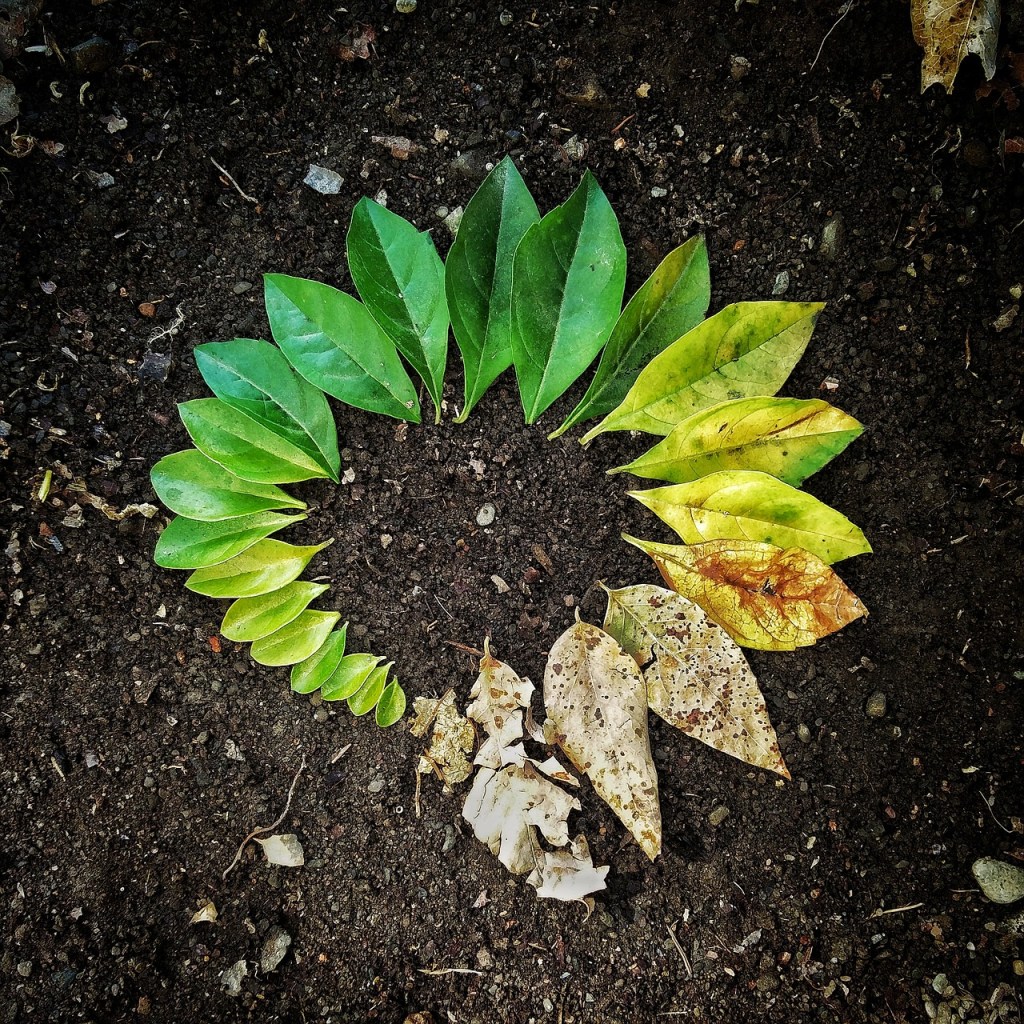
Creation Sings
This poem reflects on the fall of mankind and creation’s current state of struggle as a result of rebellion and sin. It also speaks of a hopeful future where redemption will bring about peace, harmony, and joy, with the promise of Jesus Christ’s return to end suffering and bring new life.
-
Jesus Came to Manifest His Glory
John 2:11-12 recounts Jesus’ first miracle of turning water into wine at a wedding in Cana. This act demonstrated his divine glory and power, leading his disciples to believe in him. The passage highlights Jesus’ compassionate nature, showing that he came to transform and fulfill the old covenant. It encourages belief in Jesus and compassionate…
-

Darkness and Light
This poem by Gabriel Mattix portrays the darkness ruling the earth, but the Word descends in humble might to battle and win, bringing hope and a new kingdom. Jesus, the victorious King, conquers darkness with light, rescuing and claiming His people, vanquishing the darkness and offering salvation.
-

He Who Comes From Heaven Is Above All
John 3:31-33 emphasizes Jesus’ heavenly origin and authority. John the Baptist explains that Jesus, coming from heaven, has the ultimate authority and brings a testimony about salvation. Those who receive His message affirm the truth of God. We are called to decrease, letting Jesus’ name be known above our own, and to share His message…
-
The Best is Yet to Come
In John 2:8-10, Jesus turns water into wine at a wedding feast, bringing honor and blessing to the couple. This demonstrates Christ’s sovereignty and care for individuals. The wine’s high quality shows His abundant provision. Believers are encouraged to obey Jesus without hesitation and look forward to the even greater blessings to come in eternity.
-
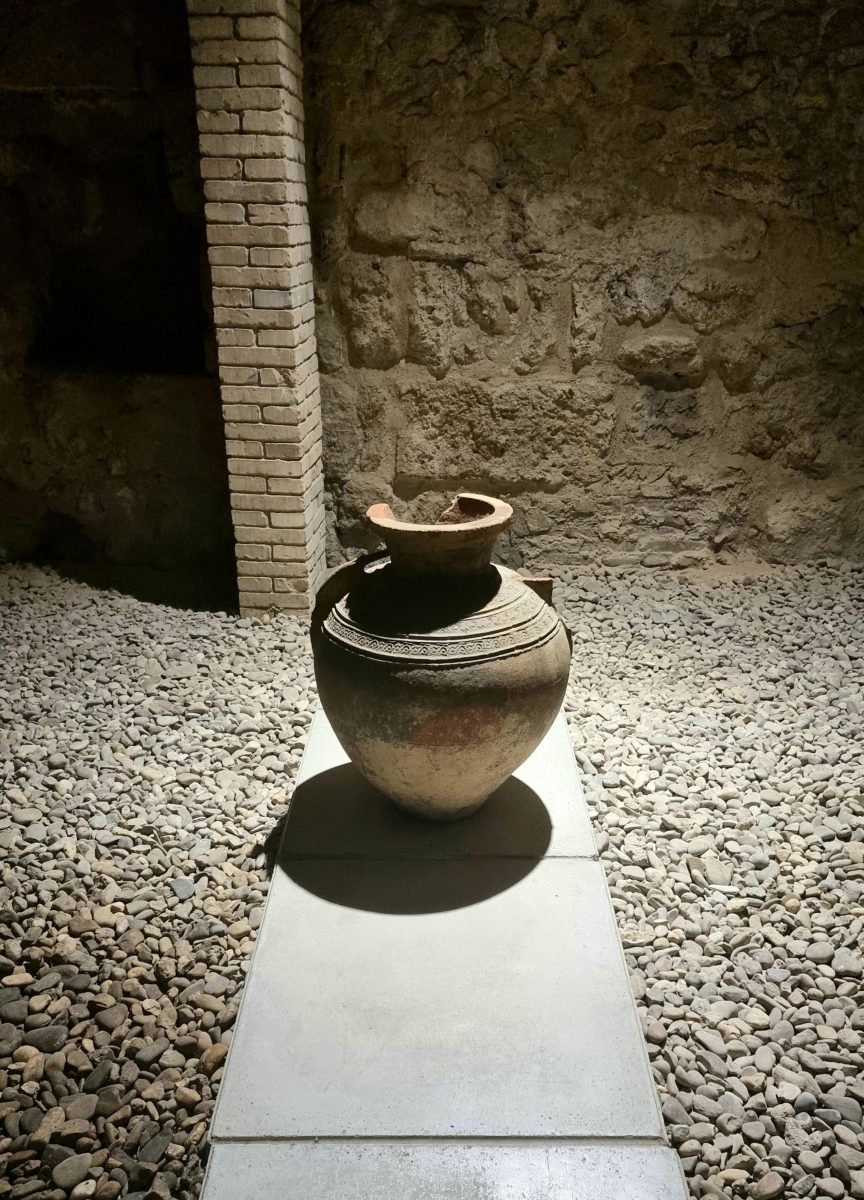
Jesus said, “Fill The Jars With Water.”
In John 2:6-7, Jesus instructs servants to fill six stone water jars used for Jewish purification with water. This act leads to a significant miracle of turning the water into wine. The passage teaches obedience, trust, and faith in Jesus. It challenges us to obey fully, even when we don’t understand, trusting in His wisdom.
 Home
Home 