
Category: faith
-

Jesus: The Honorable Life-Giving Judge
In John 5:21-23, Jesus explains His unity with the Father, stating His ability to give life and administer judgment. This passage emphasizes Jesus’ deity and role as the righteous Judge. It challenges us to honor and worship Him as we do the Father and prompts self-reflection on our acceptance of His salvation and understanding of…
-

Jesus and God the Father
In John 5:19-20, Jesus explains His relationship with the Father, emphasizing His dependence on Him and the Father’s love for Him. This passage shows the unity of their will and the Son’s obedience. Jesus’ actions and teachings are a perfect representation of the Father’s work and character. This challenges us to respond with faith and…
-

Who Am I?
This poem expresses wonder and gratitude for the divine love and attention of Jesus, despite the speaker’s insignificance in the vast universe. It acknowledges the all-encompassing power and presence of God, emphasizing the personal connection and redemptive love experienced by those who know Him by faith in Jesus Christ. The poem reflects on divine intervention,…
-

Jesus Says He is God
This passage in John 5:15-18 recounts how Jesus healed a disabled man on the Sabbath, leading the Jewish leaders to persecute Him. When confronted, Jesus claimed to be equal with God, provoking further opposition. This challenges us to reflect on legalism, obedience rooted in love, and Jesus’ claim to deity. Jesus’ words compel us to…
-

Jesus Heals a Disabled Man
This passage from John 5:1–3, 5–9 describes Jesus healing a man who had been disabled for 38 years near the pool of Bethesda in Jerusalem. The detailed observation notes Jesus’ interaction with the man and the implications for us spiritually. It emphasizes Jesus’ sovereign initiative in healing and encourages trust in His wisdom and love,…
-

A Grieving Widow Returns Home Humbled and Empty-Handed
Naomi and Ruth arrived in Bethlehem, stirring excitement among the townspeople who recognized Naomi. Despite the warm welcome, Naomi felt bitter and empty, blaming Yahweh for her misfortune. She urged Ruth to return to Moab, but Ruth committed to stay with her. The passage challenges us to evaluate whether we value God above all and…
-

As I Am Now
This poem speaks of the transformation and hope brought by Jesus Christ. Despite the decay of the physical body, belief in Him promises a new body and a life beyond death. Trust in Him results in spiritual growth, and one day, those who believe in Him will experience a complete redemption and eternal life.
-

A Poor Widow Returns Home
This passage from Ruth 1:6-9 reveals Naomi’s decision to return to Judah with her daughters-in-law, but then urging them to return to Moab. It reflects God’s care for His people and Naomi’s selflessness toward Orpah and Ruth. The passage prompts reflection on God’s loving care, the call to return to Him, and our response to…
-
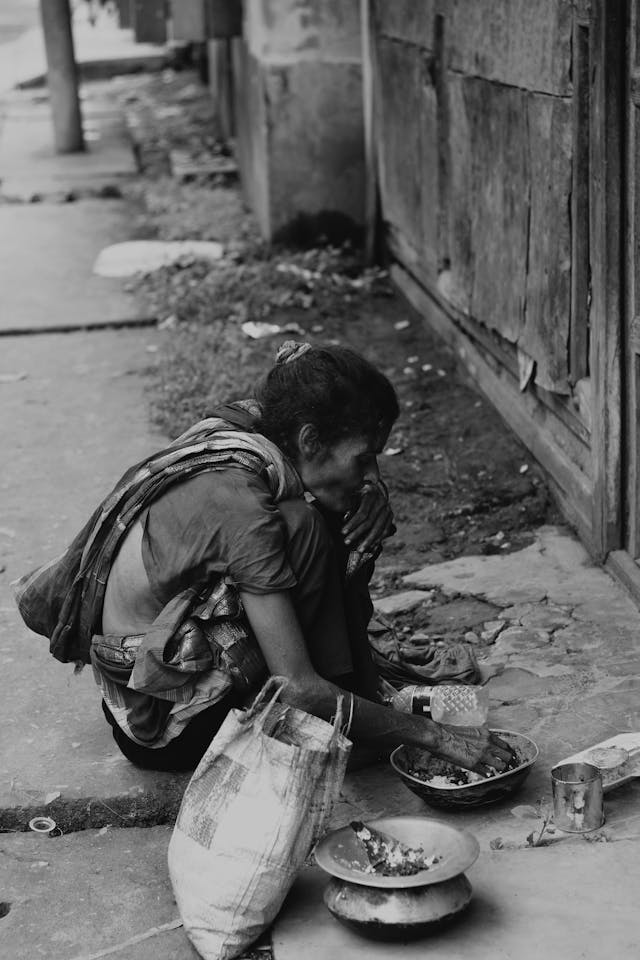
A Destitute Widow in a Foreign Land
This passage from Ruth 1:2-5 tells the story of Elimelech and his family leaving Bethlehem to live in Moab due to famine. Despite difficult circumstances, they disobey God’s command, leading to tragedies. The passage challenges us to consider our obedience to God in difficult times and to rely on Jesus for victory over sin.
-

We’re Not Dying, We’re Marching
This poem reflects a Christian perspective on facing suffering and death with faith in Jesus. It emphasizes following Jesus, denying oneself, and finding hope in the midst of trials. It encourages focusing on Jesus and relying on His promise of peace in the struggle, culminating in the belief in an eternal home with Him in…
 Home
Home 