
Category: hope
-
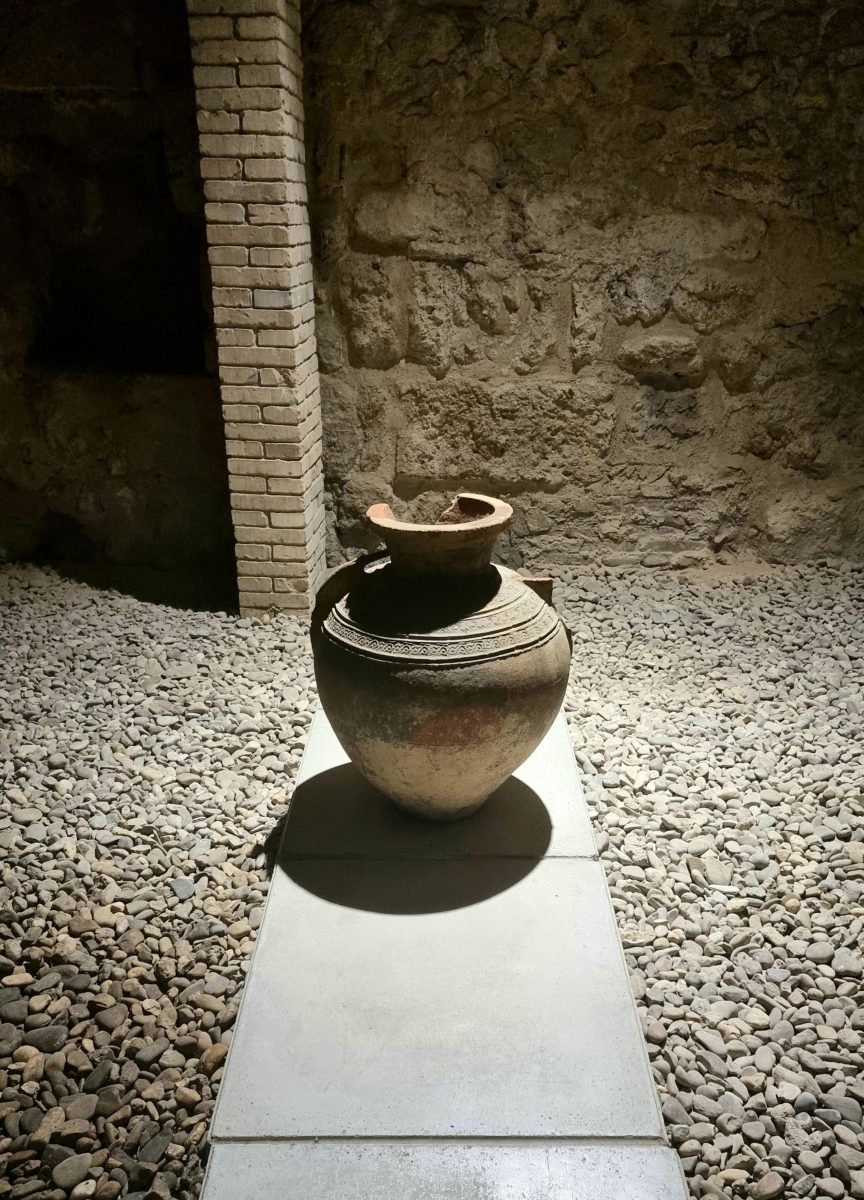
Jesus said, “Fill The Jars With Water.”
In John 2:6-7, Jesus instructs servants to fill six stone water jars used for Jewish purification with water. This act leads to a significant miracle of turning the water into wine. The passage teaches obedience, trust, and faith in Jesus. It challenges us to obey fully, even when we don’t understand, trusting in His wisdom.
-
Woman, My Hour Has Not Yet Come
John 2:1-5 describes Jesus and his disciples being invited to a wedding in Cana, where they ran out of wine. Jesus initially hesitates to intervene but ultimately turns water into wine at his mother’s request. This event signifies the beginning of his public ministry and teaches us to bring our requests directly to Jesus, as…
-

The Son of God, and the King of Israel
In John 1:45–51, after being found by Jesus, Philip invites Nathanael to meet Him. Despite Nathanael’s skepticism, he agrees and encounters Jesus. Jesus sees Nathanael’s sincere heart and reveals divine knowledge, convincing Nathanael of His identity as the Son of God. This passage challenges us to respond to Jesus’ invitation, bear witness to Him, and…
-

Follow Me
John 1:43-44 describes Jesus inviting Philip to follow Him in Galilee. This simple call signifies an invitation to become a disciple and a commitment to a new life. The passage highlights how Jesus calls people from diverse backgrounds and the significance of responding to His invitation. As followers of Jesus, we are encouraged to reflect…
-

Rest
In this poem, a message of hope is conveyed through the challenges of life. The poem emphasizes the endurance and shelter found in Jesus, who understands and helps us to overcome suffering. It offers comfort to those struggling, assuring them of rest and refuge in Jesus, who has already triumphed over sin and death.
-
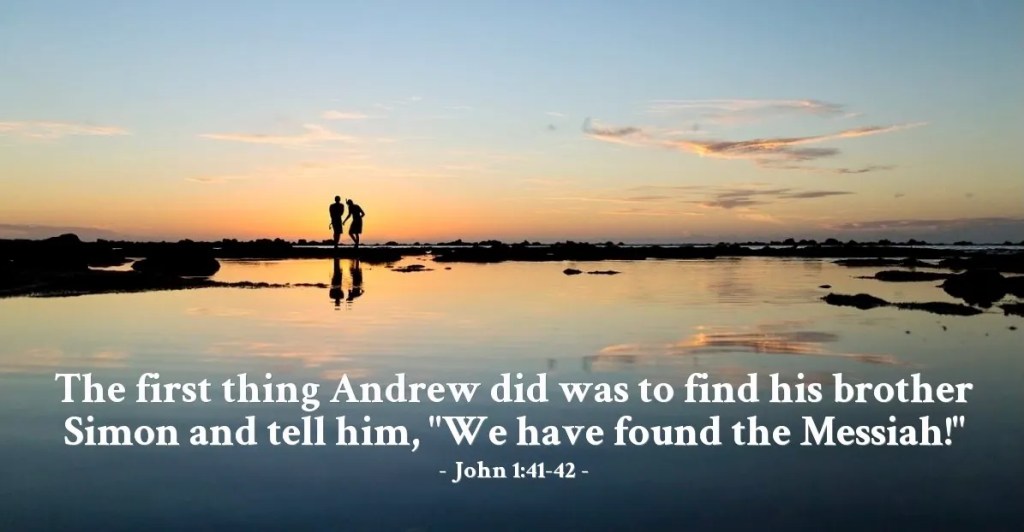
We Have Found The Messiah
John 1:40-42 recounts Andrew inviting his brother, Simon Peter, to meet Jesus. Andrew boldly proclaimed Jesus as the Messiah and brought Peter to Him. Jesus acknowledged Peter’s potential by renaming him “Cephas” or “Peter,” foreshadowing his future role. This prompts us to invite others to Jesus and embrace His transforming power in our lives.
-

Abba
The poem “Abba” by Gabriel Mattix expresses a deep plea for help and comfort. The speaker seeks reassurance of love and presence, and questions the burden of pain. Ultimately, a strong desire to trust and be close to God is expressed, despite the struggles and suffering.
-

Come and See
John 1:35-39 shows John the Baptist declaring Jesus as the Lamb of God and two disciples following Jesus. Their encounter reveals the importance of personal relationship with Jesus, the need for sincere seeking, and the disciples’ immediate response to follow Him. This challenges us to witness faithfully and prioritize our relationship with Jesus.
-

This Is The Son of God
In John 1:30–34, John the Baptist testifies about Jesus, the preexistent Son of God. He saw the Holy Spirit descend on Jesus like a dove, confirming that Jesus is the Son of God. This passage emphasizes the importance of bearing witness to Jesus and the power of the Holy Spirit in sharing the good news…
-

Behold the Lamb of God
In Jon 1:29 John the Baptist identifies Jesus as the “Lamb of God,” symbolizing His sacrificial role in removing sins. This prophetic declaration echoes Old Testament sacrificial imagery, emphasizing Jesus as the ultimate, sufficient sacrifice for humanity’s sins. Believers are urged to acknowledge this gift, repent, and accept Jesus as their Lord and Savior.
 Home
Home 