

Poetry and Bible Studies.
-

Sin Soon Sours
This poem illustrates the deceptive nature of sin, initially offering pleasure but leading to spiritual enslavement and despair. It emphasizes humanity’s need for redemption through Jesus Christ, who sacrifices Himself to overcome sin and offer eternal life. Those who repent and accept His grace are promised everlasting joy and satisfaction.
-
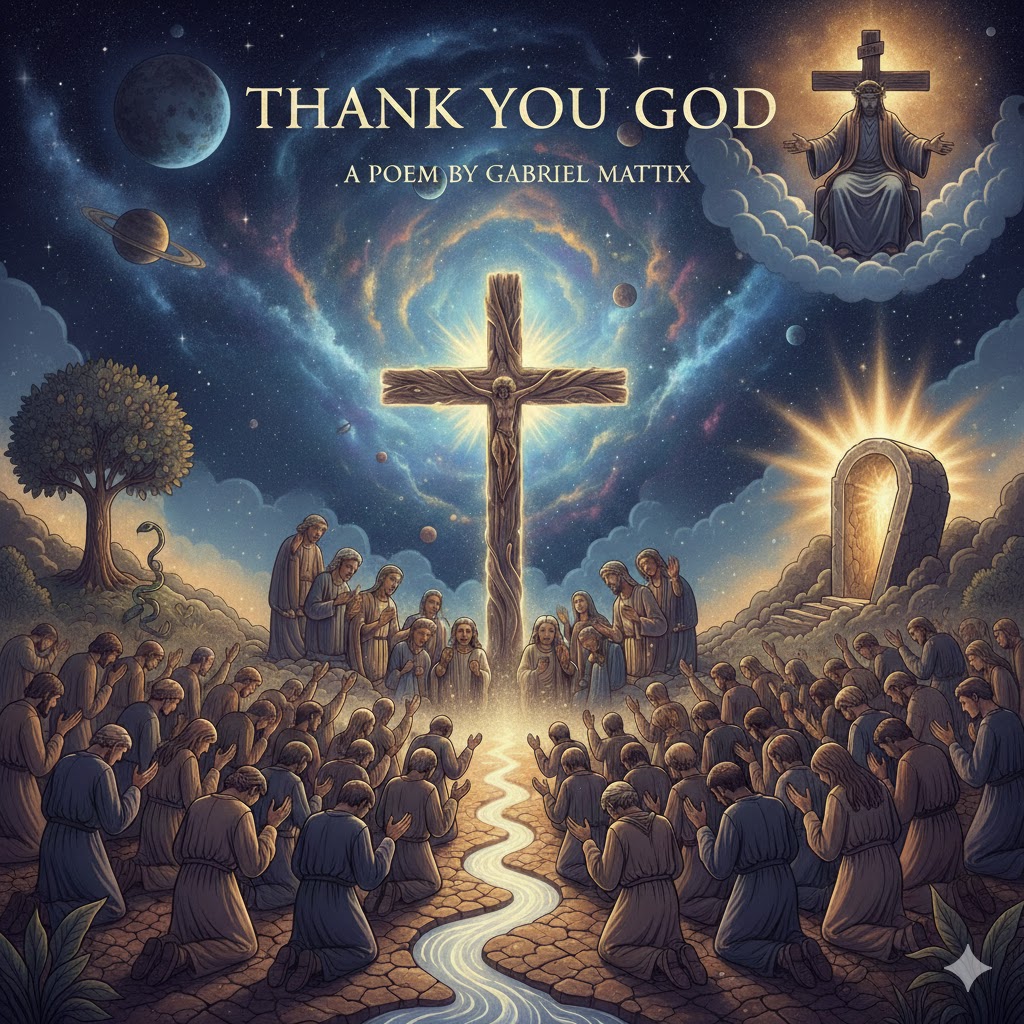
Thank You God
This poem expresses deep gratitude to God for His grace, love, and majesty as Creator. It highlights Jesus’ sacrifice for humanity’s sins, emphasizing salvation through faith rather than deeds. The message encourages repentance and trust in Christ, affirming that belief leads to overcoming sin and eternal life.
-

Shut In
Shut In is a poignant meditation on chronic pain, fatigue, and the universal human condition of suffering in a broken world. The speaker wrestles with despair, questions God’s compassion, then finds profound hope in Christ’s crucifixion and resurrection—affirming that divine love endures hardship and promises ultimate redemption and resurrection from death for all who trust…
-

These Frail Husks
This poem expresses the transient nature of human life, framing our physical bodies as temporary vessels leading to eternal destinies shaped by belief. It emphasizes the importance of faith in Jesus for salvation from sin and the promise of new life and eternal glory with God, contrasting it with condemnation for rejection.
-

All Soon Fade Away
This poem reflects on the transient nature of life, emphasizing that worldly achievements are fleeting and ultimately lead to decay. Instead, it encourages focusing on eternal values, highlighting the importance of living for Christ and engaging in meaningful actions that yield lasting spiritual fruit. A promise of everlasting life in Christ’s kingdom is affirmed.
-

Hush Now Little Lamb
This poem emphasizes the redemptive power of Jesus Christ amidst human suffering and sin. It highlights His role as the Good Shepherd who rescues and comforts believers. Despite life’s challenges, it assures that through faith in Christ, one finds eternal hope and grace, underscoring God’s unwavering presence and love.
Subscribe
Enter your email below to receive updates.

