
Tag: christianity
-

Christ Has Made Death Toothless
This poem emphasizes that Christ has transformed death from a fearful end to a gateway for eternal life with Him. Through His sacrifice, believers are freed from sin’s penalty and can face death with hope and joy. The resurrection guarantees victory over death, enabling Christians to rejoice in eternal communion with God.
-
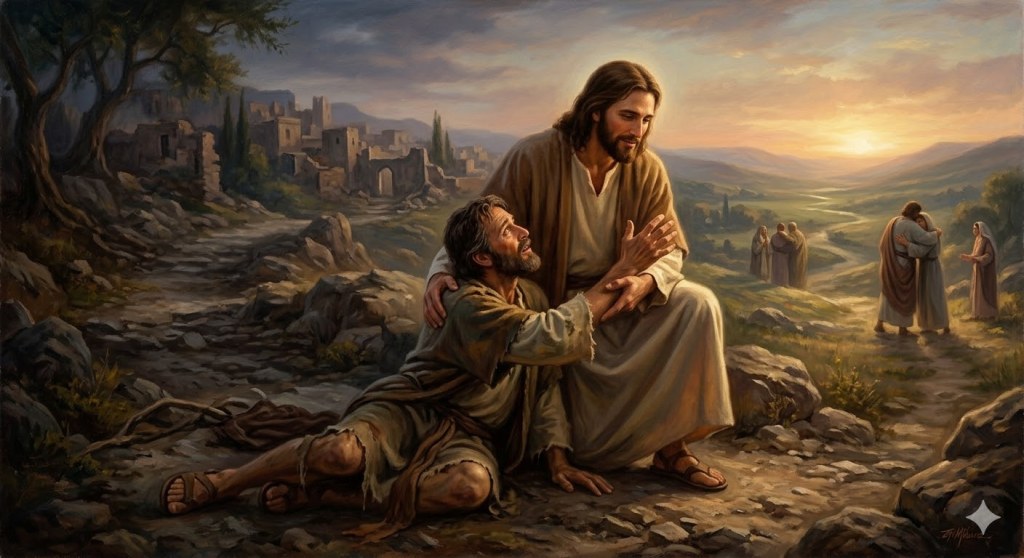
Have You Stumbled?
This poem expresses the message of hope and redemption found in Jesus for sinners. It emphasizes that Christ came not for the righteous but for those in need, offering mercy, forgiveness, and healing. Through repentance and faith, individuals can be saved from their sins and experience the profound love of God.
-
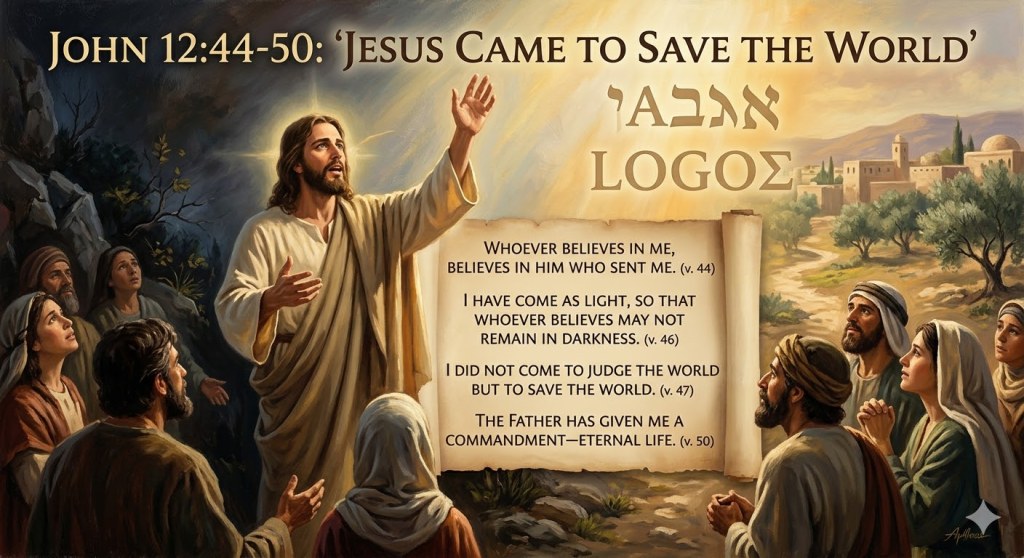
Jesus Came To Save The World
In John 12:44-50, Jesus emphasizes that to believe in Him is to believe in in God the Father. He came as a light to save rather than judge humanity, and His words will ultimately bring judgment to those who reject Him. Jesus speaks with divine authority, offering eternal life to believers.
-

Debts Must Be Paid
This poem emphasizes that human good deeds cannot atone for sin, drawing a parallel between earthly justice and divine justice. It explains that despite our shortcomings, God’s Son, Jesus Christ, paid the debt for our sins through His sacrifice, offering redemption and exemption to those who repent and have faith in Him.
-
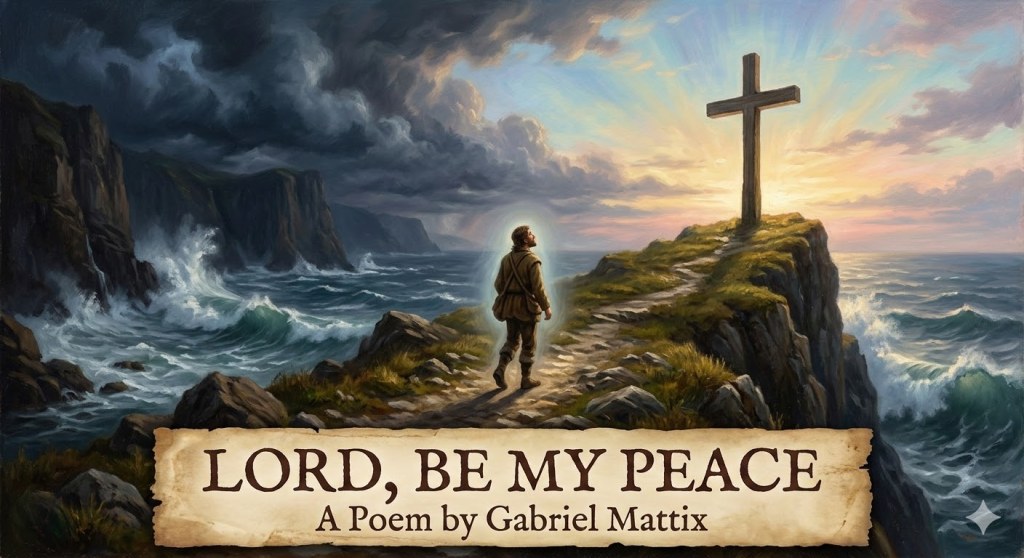
Lord, Be My Peace
This poem expresses deep faith in Jesus as a source of peace amidst life’s storms and fears. It acknowledges troubles in the world but emphasizes that Christ’s light and love provide comfort and hope. The speaker finds assurance in eternal life, believing that the soul is safe and that redemption awaits beyond physical death for…
-
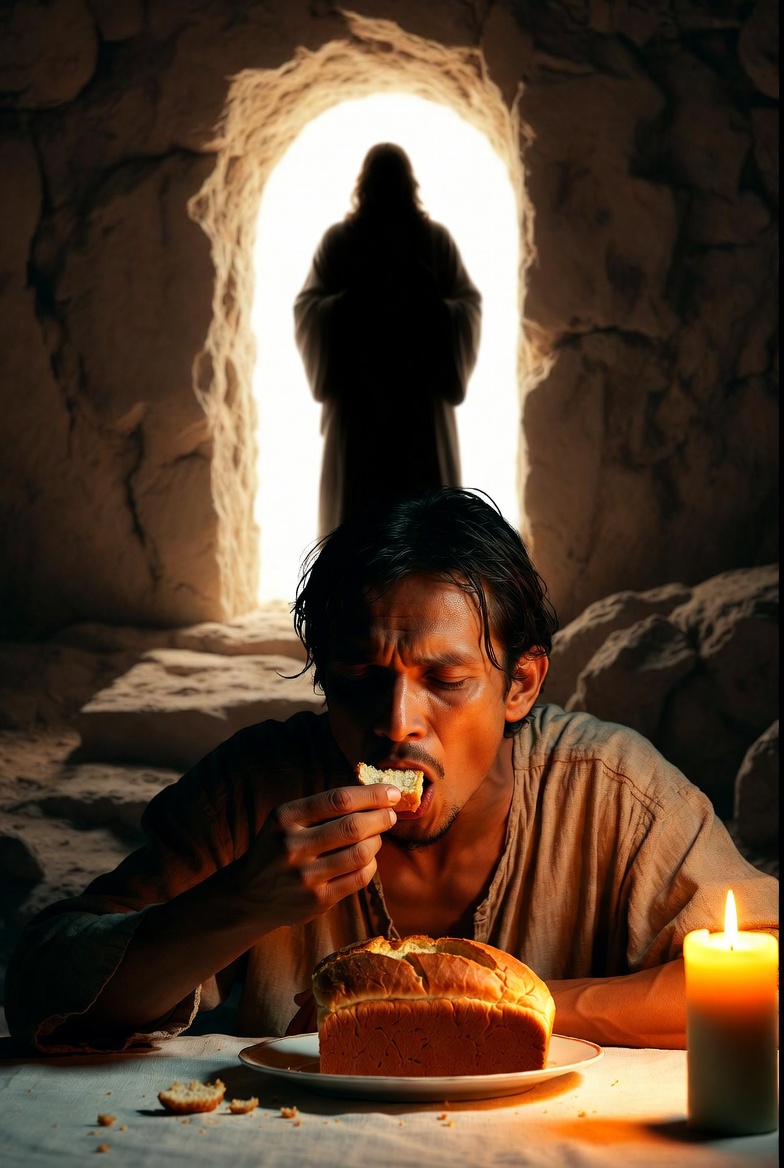
On What Are We Feeding?
On What Are We Feeding? by Gabriel Mattix is a poetic meditation on spiritual nourishment. Contrasting fleeting worldly pleasures that enslave the soul with the true, life-giving “Heavenly Bread” of Christ, the poem urges readers to feast on Jesus through faith. He alone satisfies, defeats death, and offers eternal salvation.
-
Believe In His Name
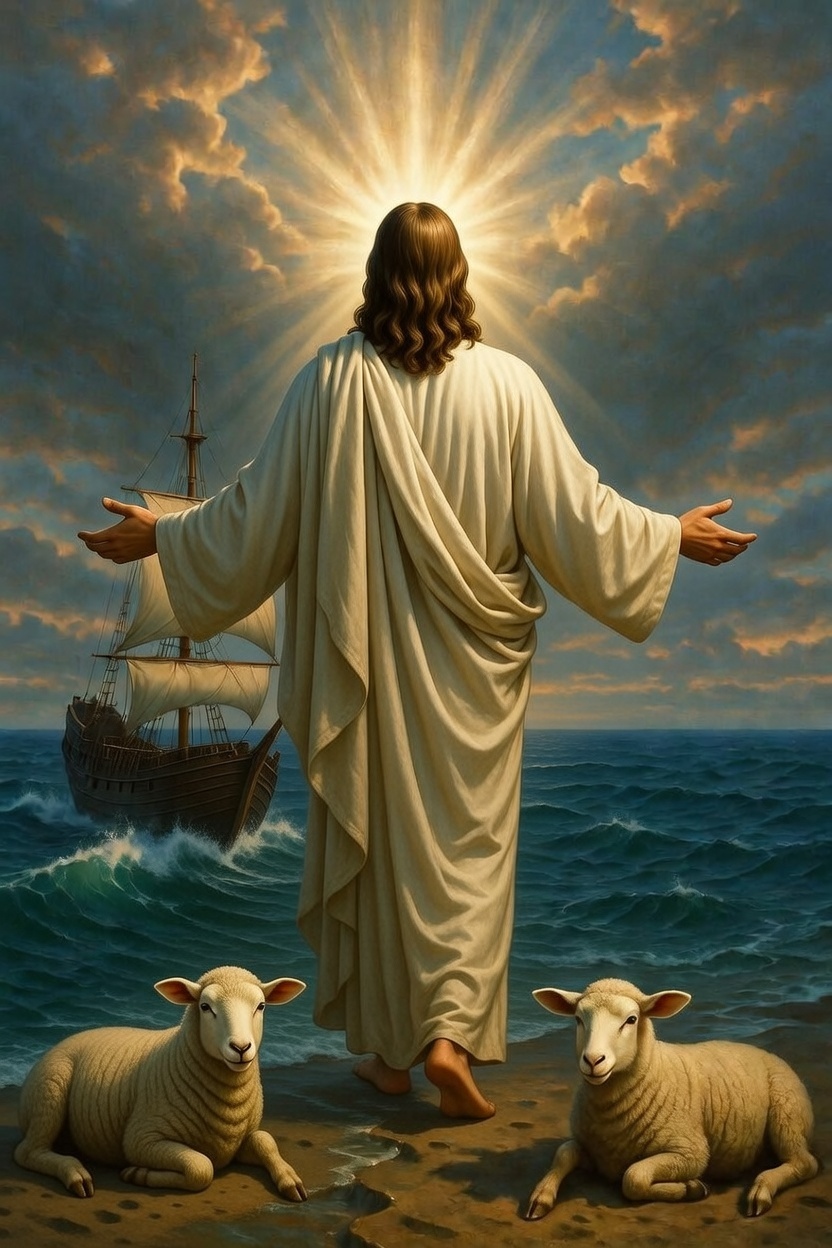
This poem emphasizes Jesus Christ’s authority and the importance of believing in Him to avoid spiritual peril. It discusses the consequences of rebellion against God as akin to treason, resulting in death. However, it offers hope through Jesus’ sacrifice, promising forgiveness, eternal life, and comfort for those who repent and trust in Him.
-

God Offers Us Grace
This poem describes the consequences of rejecting Christ, portraying a vivid image of eternal suffering in a hellish pit. It emphasizes God’s grace and the importance of accepting salvation through faith in Jesus. The message highlights the contrast between eternal life in paradise and the condemnation faced by those who choose to reject God’s gift.
-
Jesus Is Highly Exalted
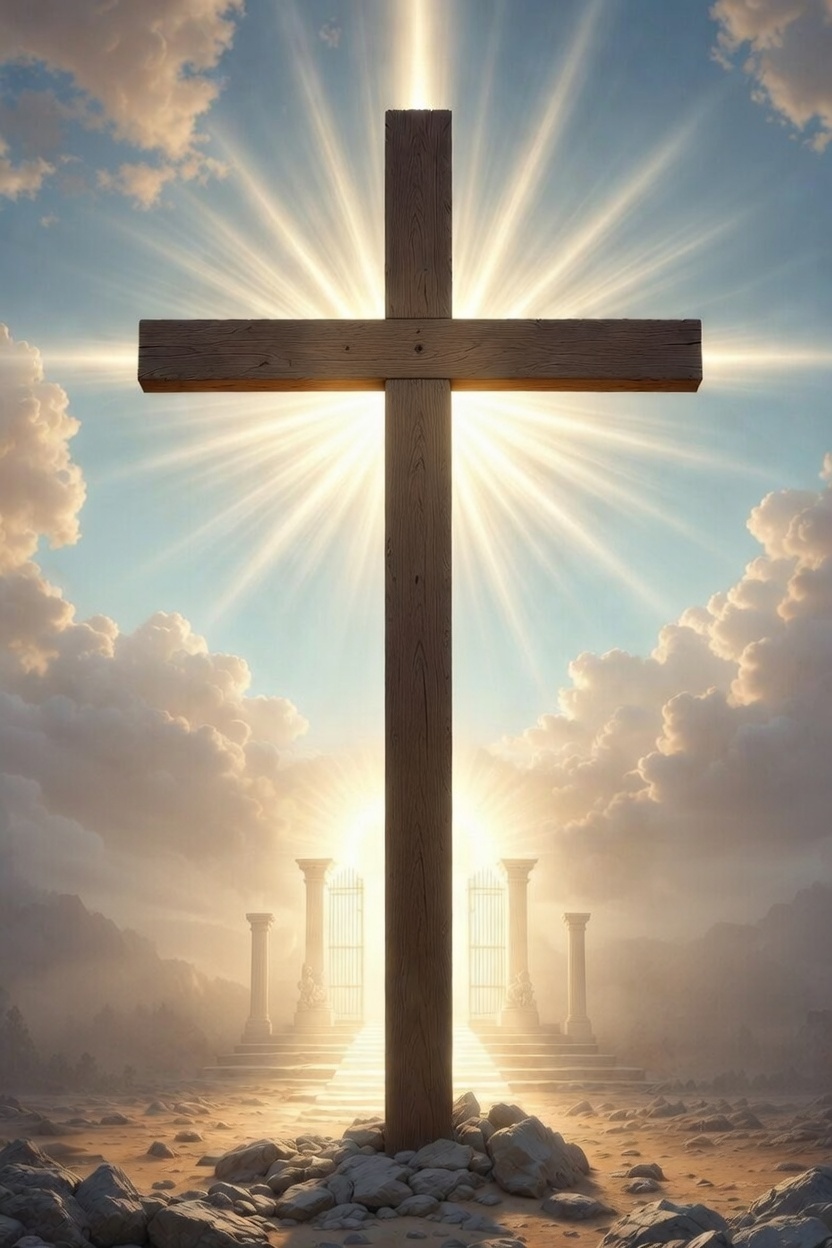
This poem celebrates Christ’s sacrificial love and triumph. It contrasts humanity’s rebellion and sin with Jesus’ willing suffering on the cross, His prayer for forgiveness, victorious resurrection, and exalted reign. The work calls sinners to repent, trust in Him, and join the redeemed in eternal praise of the merciful Savior.
-
See The Risen King
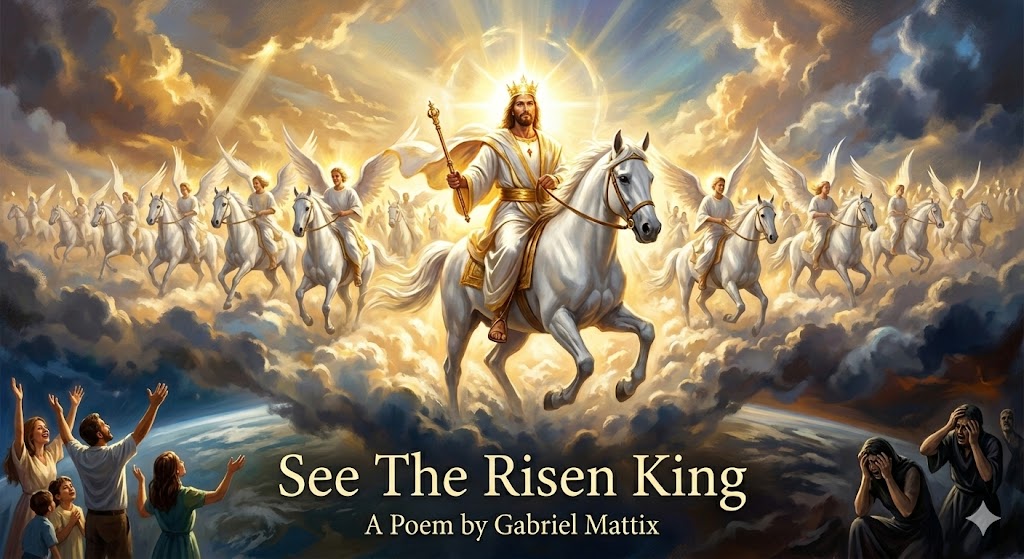
This poem depicts the return of Jesus Christ as a victorious King, accompanied by heavenly forces. It emphasizes themes of redemption, judgment, and the necessity of repentance and faith in Christ for salvation. The message warns against sin while urging acceptance of God’s grace to avoid disaster.
 Home
Home 