
Tag: God
-
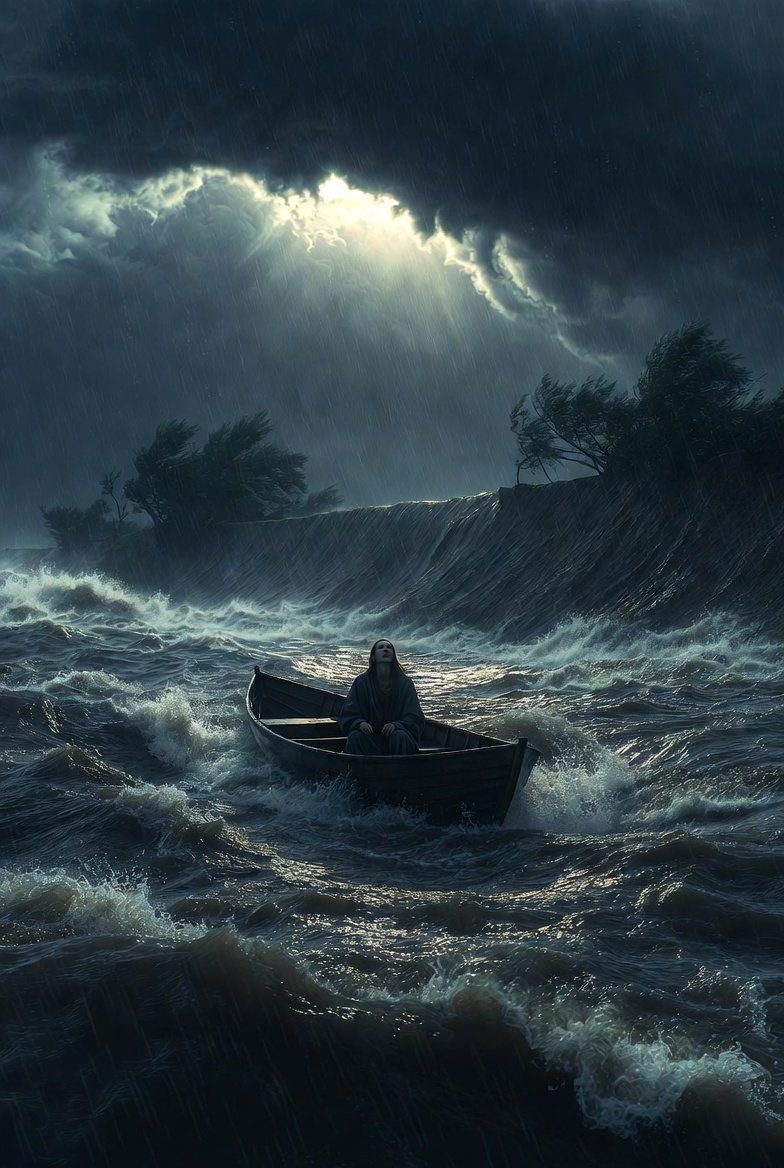
When The Wind Blows Hard
This poem expresses unwavering faith in Christ amid life’s storms, highlighting His power to provide safety and peace. It recounts Jesus’ sacrifice, emphasizing salvation, forgiveness, and eternal life for believers. Despite earthly troubles, it reassures that Christ’s victory brings hope, allowing believers to rejoice in His presence and grace.
-

A Longing For Home
This poem expresses a deep longing for spiritual fulfillment and a desire to return to divine peace rather than earthly achievements. It emphasizes the joy of seeing Jesus and being free from sin, highlighting the importance of faith. The speaker yearns for heavenly rest and closeness to God, prioritizing spiritual over material pursuits.
-
I Have a Beautiful Inheritance
This poem expresses joy and gratitude for the spiritual inheritance received through Jesus Christ’s sacrifice. It highlights themes of redemption, adoption, and eternal life, emphasizing that through faith in Him, believers are granted freedom from sin and death. The poem concludes with praise for God’s love and grace in salvation.
-
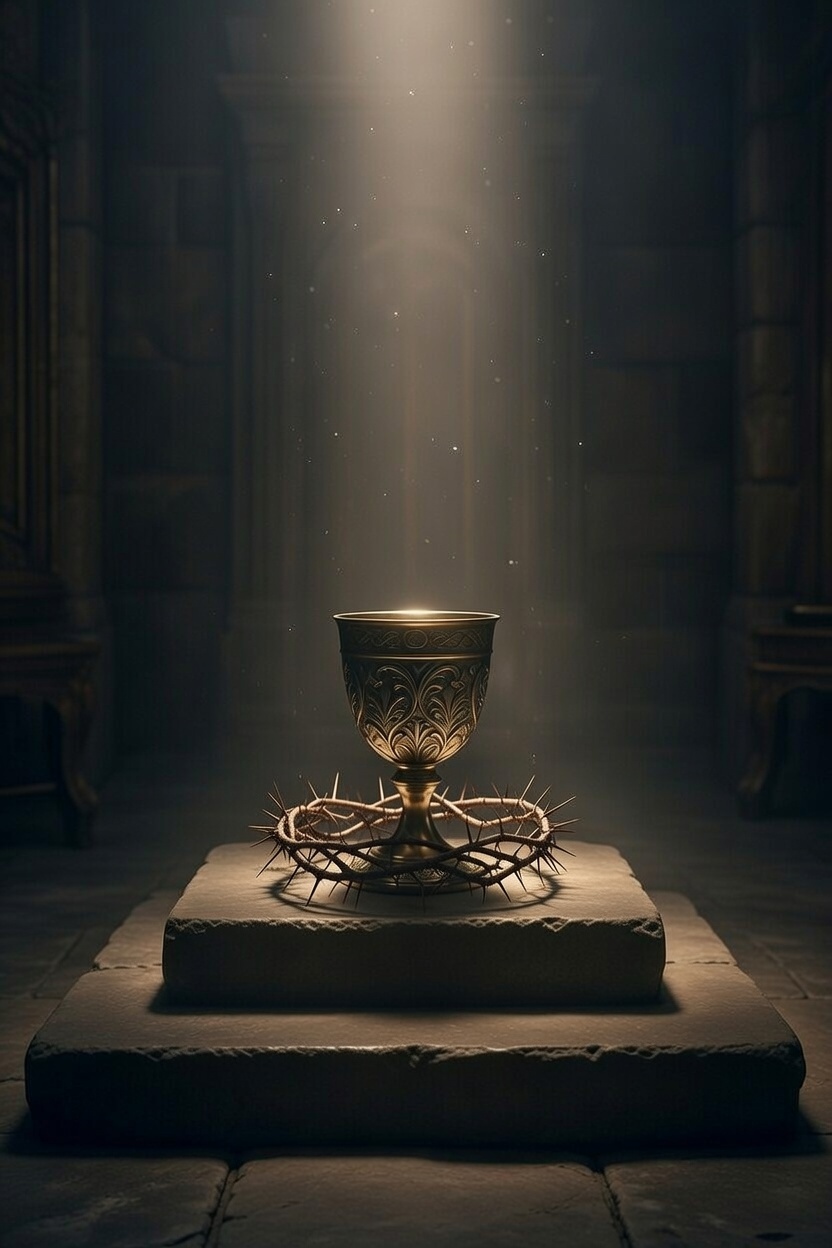
Jesus Drank The Cup
In “Jesus Drank The Cup,” Gabriel Mattix powerfully retells the gospel: Christ willingly drank the full cup of God’s wrath for humanity’s sin, paying an impossible debt through His perfect life, suffering, death, and resurrection. Now, wrath transforms into overflowing joy and living water, inviting all to repent, believe, and receive God’s lavish grace.
-

Called to be Faithful
This poem emphasizes the importance of faithfulness over immediate success, reminding readers that God’s perspective is broader than human understanding. It encourages perseverance in the face of adversity, asserting that true success lies in serving a purpose and pressing on with faith, ultimately leading to eternal glory with Christ.
-
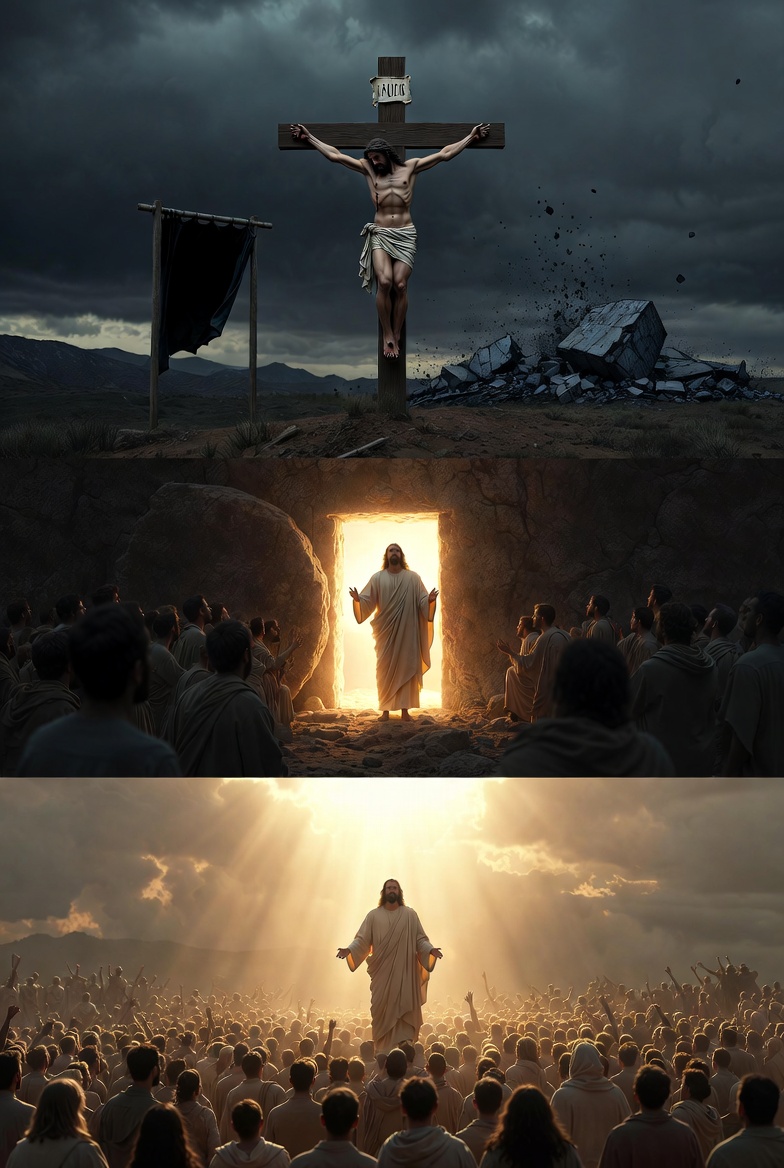
There Was a Day
“There Was a Day” recounts Jesus Christ’s crucifixion—darkened sky, “It is finished,” forgiveness from the cross—followed by His resurrection three days later, proving His divinity. It culminates in a future return to renew creation, offering salvation from sin through faith in Jesus, urging readers to trust Him today.
-

Self-Reliance is a Delusion
This poem emphasizes the illusion of self-reliance, asserting that all abilities and successes stem from God. It draws attention to the disparity between those in opulence and those in poverty, highlighting the importance of acknowledging divine contributions to life. Ultimately, it calls for reliance on God and gratitude for His gifts and salvation through Christ.
-
I Long To Be Free
This poem is a heartfelt prayer expressing a deep longing for redemption from sin through Jesus Christ. The speaker acknowledges their struggles with sin but finds hope and strength in Christ’s grace and love. They aspire to grow spiritually and praise God for salvation and guidance, anticipating a future in His kingdom.
-
Call Out To Jesus
In this heartfelt gospel poem, Gabriel Mattix invites sinners to call out to Jesus for forgiveness and grace. Despite humanity’s rebellion and deserved judgment, God in merciful love sent Christ to die on the cross, rise victorious over death, and offer eternal salvation to all who repent and trust in Him.
-

The Crown
The Crown is a moving 50-line poem that celebrates Christ’s sacrificial love. Through the crown of thorns, His descent into weakness, crucifixion, and triumphant resurrection, Jesus transforms human sin and rejection into grace, healing, and eternal life. Believers receive the crown of life, redeemed by faith alone in His boundless mercy.
 Home
Home 