
Tag: Jesus
-

The Shepherd of The Sheep
In John 10:1-6, Jesus distinguishes between a true shepherd and impostors. He illustrates that genuine shepherds enter the sheepfold legitimately, care for the sheep, and are recognized by them. In contrast, thieves exploit the sheep for selfish gain. Jesus emphasizes His unique relationship with believers, who follow His voice, unlike those who reject Him.
-

Jesus Came For Judgment
In John 9:35-41, Jesus goes to a man cast out by the Pharisees who He had healed of blindness. The man professes his faith in Jesus as Messianic the Son of Man and worships Him. Jesus explains His purpose: to bring judgment and spiritual sight to the blind, while those who claim to see remain…
-

God’s Relentless Love
In ancient times, humanity rejected God, leading to damnation and disobedience. They built a tower to assert their power, forsaking their Creator. Despite their rebellion, God remained loving and called Abraham to establish a nation. Ultimately, Jesus came to save humanity, offering redemption and inviting all to join His Kingdom.
-

The Beam
This poem reflects on the burdens of life and the transformative power of faith in Christ. It emphasizes Jesus’ sacrifice and resurrection, offering hope and peace in times of struggle. Believers are encouraged to bear their crosses, trust in God’s strength, and look forward to a renewed world free of sin.
-
Give Glory to God
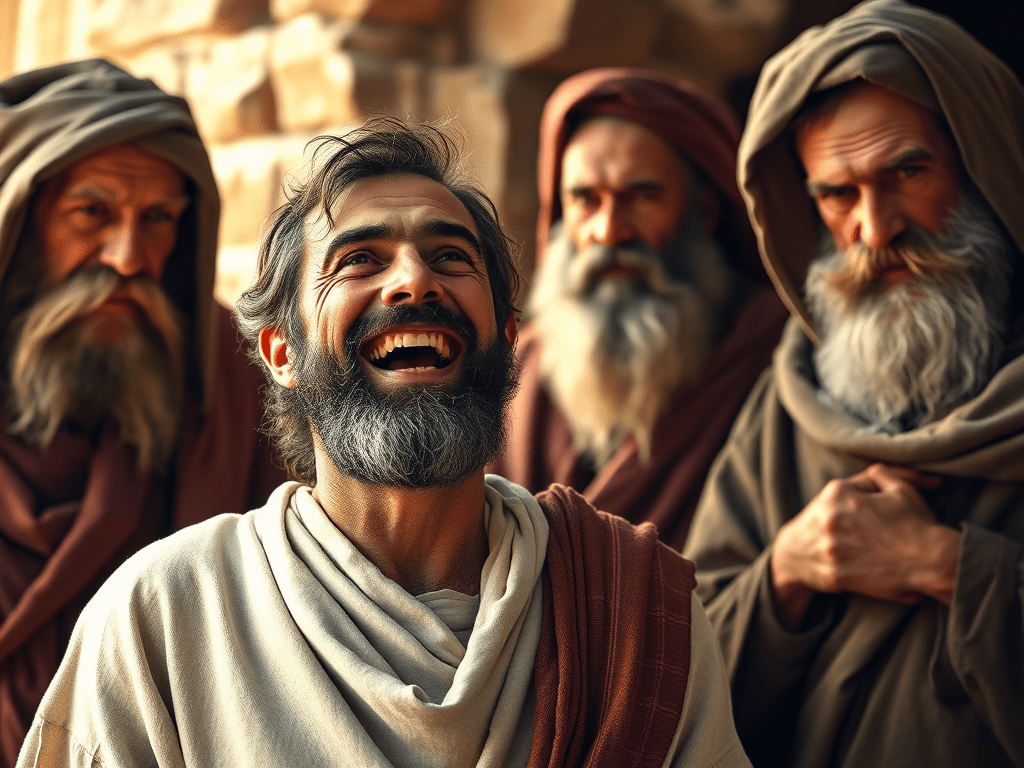
In John 9:24-34, the healed blind man asserts his experience with Jesus amid the Pharisees’ skepticism. They insist Jesus is a sinner, while he emphasizes the miracle of his sight, stating that God listens to those who worship Him. The Pharisees, frustrated, insult and excommunicate him, revealing their spiritual blindness.
-
More Than a Prophet
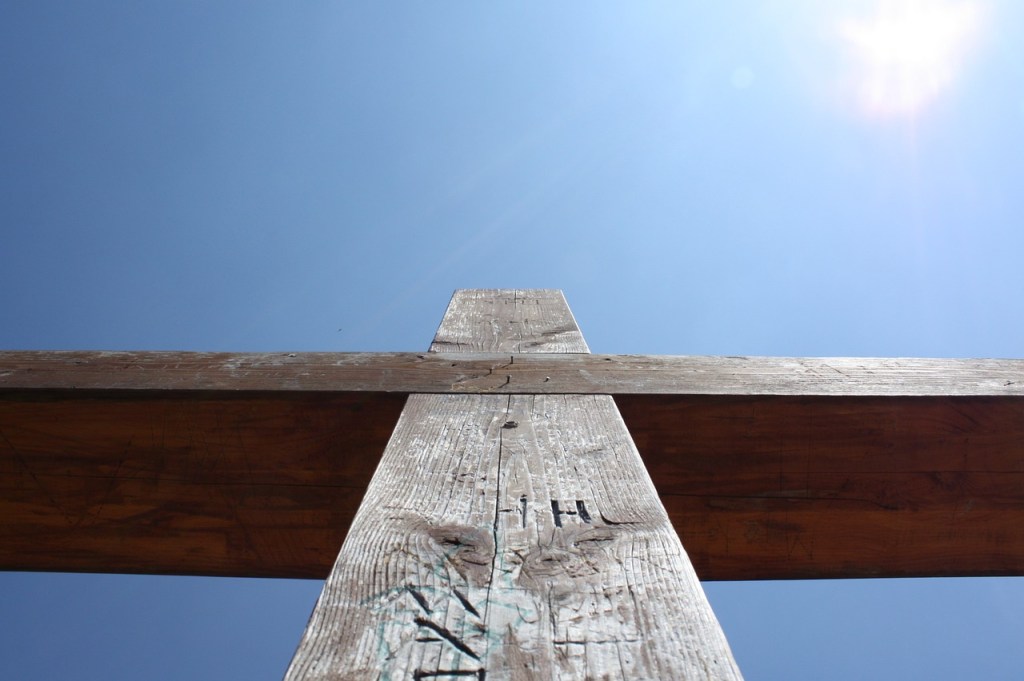
This poem highlights Jesus Christ as more than a prophet and teacher; He is the eternal “I Am,” possessing divine power to heal and conquer death. He selflessly bore humanity’s sins and offered redemption, restoring peace between God and mankind. Jesus is the King of kings, worthy of reverence and trust.
-

How Can a Sinner Do Such Signs?
In John 9:13-23, Jesus heals a blind man on the Sabbath, leading to controversy among the Pharisees. They question the man, who claims Jesus is a prophet. Despite evidence for the miraculous healing, the Pharisees’ division grows, and the man’s parents, fearing repercussions, refuse to affirm his healer. This highlights spiritual blindness and fears around…
-

Jesus Heals a Blind Man
In John 9:1-12, Jesus encounters a man born blind. His disciples question the cause of his blindness, but Jesus clarifies that it’s not individual sin but an opportunity to reveal God’s works. After healing the man with mud and instructing him to wash, he returns seeing, prompting curiosity from neighbors about his transformation.
-

The Books In Heaven
This poem reflects on the divine record of our lives, highlighting humanity’s failures and sins. It contrasts this with the hope offered through Jesus’ sacrificial love, emphasizing salvation and redemption for those who believe. By faith, believers can escape death and gain eternal life in Heaven, forever remembered in the Lamb’s book of life.
-

Christ Is Forever Glorious
This poem celebrates Christ’s victory over death and His role as a savior. It emphasizes His humility in becoming a sacrifice for humanity’s sins, offering redemption and new life. The text highlights God’s faithfulness, love, and eternal reign, inviting all to embrace His grace and experience transformation through faith in Jesus.
 Home
Home 