
Tag: Love
-
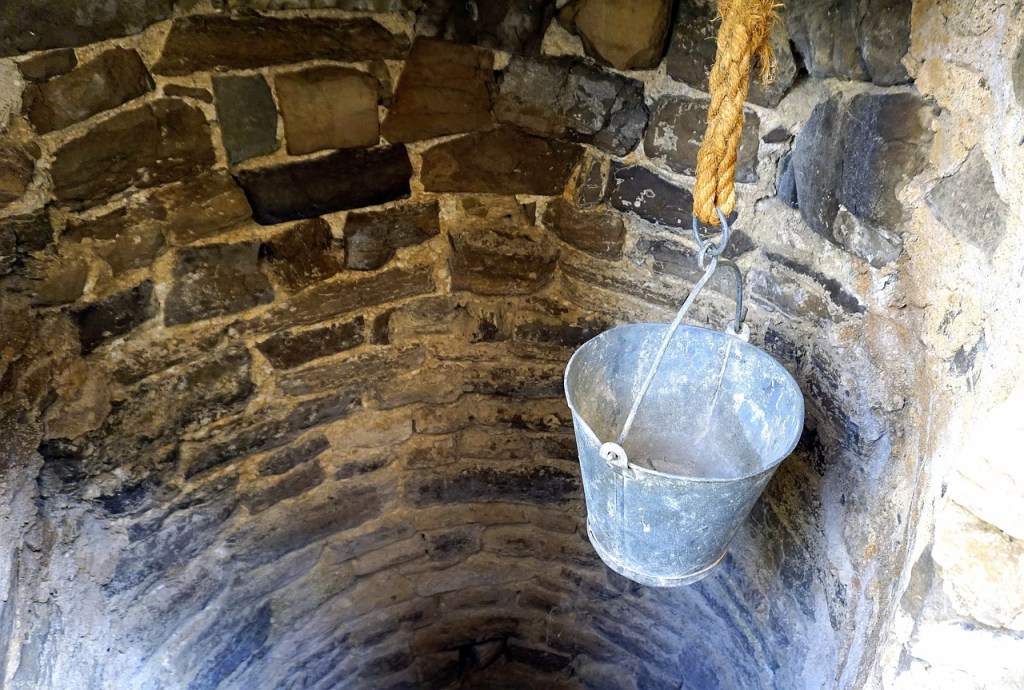
Jesus, Weary and Sitting by a Well
Jesus’ deliberate choice to travel through Samaria demonstrates His love for all people, regardless of ethnicity or background. His exhaustion at Jacob’s well reveals His willingness to experience human limitations. As believers, we can find solace in the fact that Jesus understands our struggles intimately and offers empathy and strength.
-

And Jesus Had To Pass Through Samaria
Jesus left Judea for Galilee after learning that the Pharisees had heard about His success in making and baptizing disciples. Though Jesus Himself did not baptize, He traveled through Samaria, challenging social norms and demonstrating His love for all people. This challenges us to love all, even those different from us.
-

Tears
This poem describes the struggles of life, the hope found in Jesus, and the promise of a heavenly home. It depicts Jesus’s sacrifice and love despite human failings. His resurrection brings hope and a firm foundation, leading to praise for the risen King Jesus, who offers comfort and restoration.
-

You’ve Called Me ‘Friend’
This poem describes the journey of faith and redemption, highlighting human disobedience and God’s mercy. It portrays the sacrifice of Jesus, emphasizing the restoration of the broken relationship between God and humanity. The poem captures the profound bond of friendship and brotherhood between the narrator and Jesus, their Savior.
-

He Must Increase, but I Must Decrease
This passage from John 3:25-30 reveals a dispute between John the Baptist’s disciples and a Jew over purification. The disciples are worried that people are favoring Jesus over John. However, John explains that it is natural for Jesus’ following to increase, as he is the Christ, while John’s influence decreases. This teaches us to prioritize…
-

Jesus the Baptist
After significant events in Jerusalem, Jesus and His disciples went to the Judean countryside to baptize and teach. Meanwhile, John the Baptist baptized at Aenon near Salim. This passage emphasizes Jesus’ affirmation of John the Baptist’s work and the need for repentance. It challenges believers to faithfully fulfill everyday duties as acts of worship to…
-

Before The Throne
The poem “Before The Throne” by Gabriel Mattix describes a sinner standing before the holy throne, feeling unworthy. However, a Mighty Figure speaks up, vouching for the sinner’s salvation through faith in Him. The Judge forgives the sins, welcomes the sinner as His own, and promises eternal life through Jesus.
-
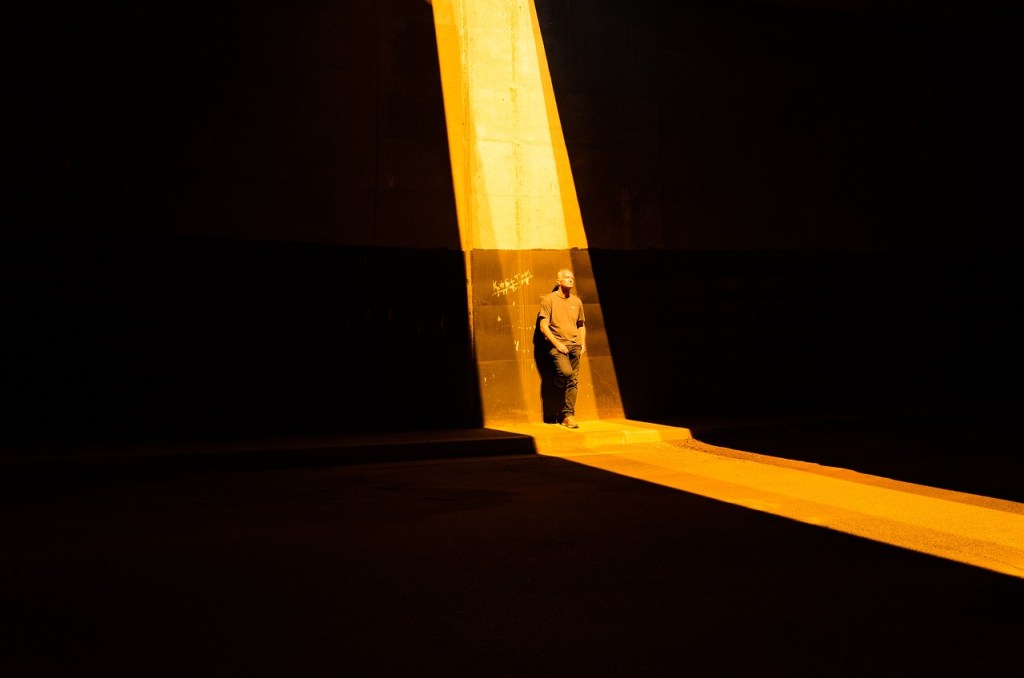
The Judgment: People Loved Darkness Rather Than Light
In John 3:19-21, Jesus explains that he came not to condemn the world but to offer salvation. Those who reject Him face judgment, as they prefer darkness over the light of truth. Believers come to the light, showing their deeds are carried out in God. This passage highlights the moral dimension of belief and unbelief,…
-

God Sent His Only Son To Save The World
John 3:17-18 reveals that God sent His Son, Jesus, not to condemn the world, but to save it. Belief in Jesus leads to freedom from condemnation, while disbelief condemns. The implication is that God loves the world and desires its salvation. This truth challenges our understanding of God’s love and salvation, urging us to embrace…
-

The Healer Descended
This poem speaks of a sinner who is cleansed and loved by Jesus, who offers forgiveness and eternal life. Despite feeling unworthy, the sinner is reassured and finds hope in the promise of salvation, urging others to accept Jesus’ mercy and surrender to Him. Jesus is portrayed as the ultimate redeemer, bringing joy and grace…
 Home
Home 