
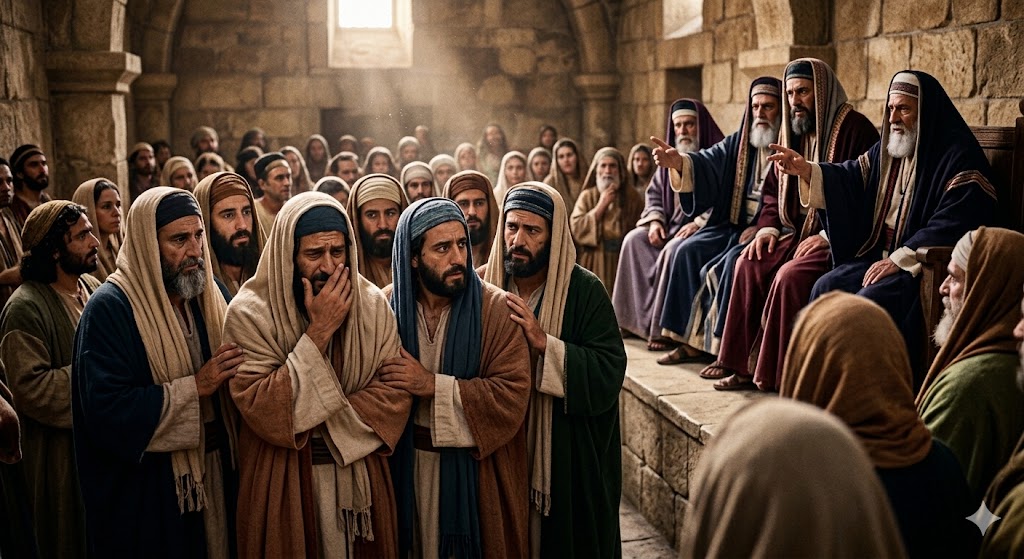
A Study of John 12:37-43
“Though he had done so many signs before them, they still did not believe in him, so that the word spoken by the prophet Isaiah might be fulfilled: “Lord, who has believed what he heard from us, and to whom has the arm of the Lord been revealed?” Therefore they could not believe. For again Isaiah said, “He has blinded their eyes and hardened their heart, lest they see with their eyes, and understand with their heart, and turn, and I would heal them.” Isaiah said these things because he saw his glory and spoke of him. Nevertheless, many even of the authorities believed in him, but for fear of the Pharisees they did not confess it, so that they would not be put out of the synagogue; for they loved the glory that comes from man more than the glory that comes from God.”
John 12:37-43 ESV
Observation/Summary (short explanation of what the passage says in your own words):
Even though Jesus performed many miraculous signs, many people still did not believe in Him in order that the word spoken by the prophet Isaiah would be fulfilled: “Lord, who has believed what he heard from us, and to whom has the arm of the Lord been revealed?”. Because of this they could not believe. Isaiah also said, “He has blinded their eyes and hardened their heart, lest they see with their eyes, and understand with their heart, and turn, and I would heal them.”.
Isaiah said these prophetic words because he saw the glory of God and spoke of Him. Still though, many people, even among the authorities, did believe in Jesus, but they were afraid of the Pharisees, so they did not openly admit it. This is because they loved the glory that comes from people more than the glory that comes from God.
Textual Analysis and Implication (what is being said and what does this mean?):
John 12:37 tells that even though the people had witnessed Jesus perform many signs (miracles), including the raising of Lazarus from the dead, many still did not believe in Him. In this way these people were like their ancient ancestors who also witnessed many miracles in the time of Moses, but of whom Moses said, “You have seen all that the Lord did before your eyes in the land of Egypt, to Pharaoh and to all his servants and to all his land, the great trials that your eyes saw, the signs, and those great wonders. But to this day the Lord has not given you a heart to understand or eyes to see or ears to hear.” (Deuteronomy 29:2b-4).
Next, John shows this response to Jesus from the people was prophesied centuries earlier by quoting Isaiah 53:1 and 6:9-10. First, Isaiah 53:1 says, “Lord, who has believed what he heard from us, and to whom has the arm of the Lord been revealed?”. This tells us that for people to believe the Lord must reveal Himself to them. However, this does not mean humans have no responsibility for their unbelief. Verse 37 makes it clear people are responsible for their unbelief too. Jesus revealed Himself by performing many miraculous signs, or in other words, the “arm of the Lord” had been revealed to these people, but they still did not believe. Importantly though, the main point here is that God must first reveal Himself to a person or else they cannot believe.
In verses 39-40 John explains the unbelief of the people was an act of judgment from God, first saying, “Therefore they could not believe.”, and then by quoting from Isaiah 6:9-10, “He has blinded their eyes and hardened their heart, lest they see with their eyes, and understand with their heart, and turn, and I would heal them.”. When people see the truth of God and still refuse to turn to Him and trust, He will eventually give them what they want; that is, He will harden them in their own choice not to believe in Him.
This was true in the Old Testament time when Isaiah prophesied, it was true when Jesus walked the earth, and it is still true today. While the initiative always lies with God, the will of people is always a part of what is going on. When people deliberately choose to reject God, there will come a time when God gives them over to their evil decision. There is such a thing as divine, judicial hardening, and that is what we read of here.
Then, in verse 41, John writes, “Isaiah said these things because he saw his glory and spoke of him.”. The prophet Isaiah saw the glory of Yahweh (God). In other words, Isaiah saw Jesus centuries before His incarnation on earth. Jesus is Yahweh.
In the last two verses of this section of the passage, John says many people, even among the authorities, did believe in Jesus. However, they did not say so openly because they were afraid they would be put out of the synagogue. In other words, they loved the glory that comes from man more than the glory that comes from God. Having just stated many did not believe and then giving reasons for why, John then tells us that in spite of mass unbelief, at this point in Jesus’ earthly ministry there were many secret believers. These people believed in Jesus but did not openly say so because they were afraid of what other people would say about them or do to them. Mainly, that they would be put out of the synagogue.
The synagogue was the center of Jewish society, and to be put out of it was to effectively be ostracized from the community. In John 12:26 Jesus explained that if anyone served Him, and elevated His will above their own, God would honor them. But there were still many people at this time who valued the honor that comes from other people more than the honor that comes from Almighty God. While weak faith is better than no faith, the theologian John Trapp aptly described the praise of men compared to the praise of God by saying, “Which what is it else but a little stinking breath?”. How could the approval of mortal people possibly compare with the approval of the eternal God of the universe?
Response (How does this change how I think, act and pray?):
There are a lot of people today who say, “If God would show himself to me I would believe.”. But in this passage we read of people who saw Jesus, God in the flesh, and still did not believe. They witnessed Him raise the dead, heal the sick, cast out demons, and even heard the Father speak from Heaven, but still, they did not believe. So, clearly the problem of unbelief is not a lack of evidence; it is a problem with the human heart. Humanity, in our sinfulness, is predisposed to rejecting God, and unbelief is flat out rejection of Him. It is a refusal to acknowledge Him as our God and submit to Him as Lord.
While we do have a say in the matter, and we are responsible for our choice to believe or not, from this passage we also learn that ultimately God must be the one to open our eyes and ears to believe in Him. Our stubborn hearts, hardened by sin, can only be softened and made to trust in Him by His gracious power. So, we who do believe in Jesus must not be prideful in our belief. We believe because God has had mercy on us and granted us repentance and faith, and set us free from sin and the devil (2 Timothy 2:25-26). With this in mind, as we share about Jesus with others, we must firstly pray to God and intercede on their behalf, as we ask the Lord to grant them belief. We are called to share the good news, but only God can raise the dead.
Importantly we are to share the gospel with others. We also read in this passage of many who believed in Jesus but kept their faith a secret because they were afraid. In other words, they valued the praise of people more than that of God. This earth and everyone on it will pass away, but our Almighty God will live and reign forever. He is the one we were made to live for, and we must be faithful, out of loving loyalty to Him, to openly profess our faith and share the gospel as is appropriate in the varied contexts we live in.
Let us remember that Jesus said, “If anyone would come after me, let him deny himself and take up his cross daily and follow me. For whoever would save his life will lose it, but whoever loses his life for my sake will save it. For what does it profit a man if he gains the whole world and loses or forfeits himself? For whoever is ashamed of me and of my words, of him will the Son of Man be ashamed when he comes in his glory and the glory of the Father and of the holy angels.” (Luke 9:23-26)
Self Reflection:
- Have I been afraid or ashamed of sharing my faith in Jesus in the past?
- How does remembering how good and powerful God is, and how much He loves me, give me the confidence to obey His command to share the good news with others?
- Who can I pray for and ask God to give me an opportunity to share the gospel with?
 Home
Home 
Leave a comment