
Tag: Gospel of John
-
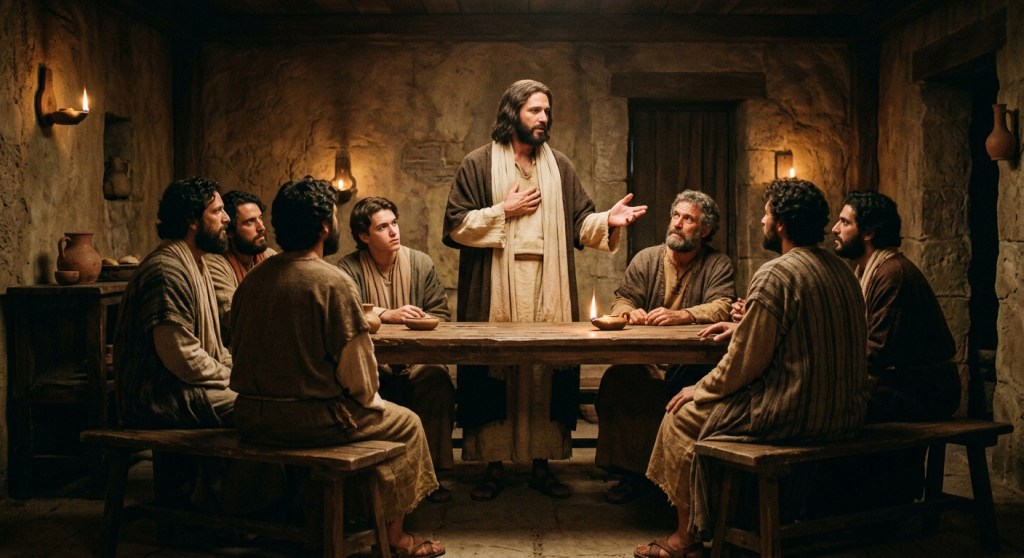
Jesus Warns of Persecution
Jesus warns His disciples of coming persecution—expulsion from synagogues and even death by those believing they serve God—to prevent them from falling away. Such opposition stems from ignorance of the Father and Son. He reveals this in advance so they will remember and stand firm, knowing temporary suffering will yield eternal good.
-

The World Hates Jesus
In John 15:18-27, Jesus prepares His disciples for the world’s hatred, highlighting that their persecution mirrors His own. He emphasizes that rejection of Him equates to rejection of the Father. Promising the Spirit of Truth will guide them, Jesus affirms their witness amidst adversities, assuring them that God’s redemptive plan prevails despite opposition.
-

The Greatest Commandment of Love
In John 15:12-17, Jesus commands His disciples to love one another as a reflection of His love, emphasizing that true love entails self-sacrifice. He says they are His friends as they obey Him. Jesus underscores His choice of them, urging them to bear lasting fruit, while reiterating the importance of love among believers.
-

The Fruitfulness of Abiding in Christ
Jesus is the true vine and His Father the vinedresser. Believers must abide in Him to bear fruit; apart from Him they can do nothing. The Father prunes fruitful branches and removes the unfruitful. Abiding in Christ and obeying His commands keeps us in His love, glorifies the Father, and fills us with His complete…
-

Jesus Gives Peace
In John 14:25-31, Jesus promises the Holy Spirit as Helper to teach and remind His disciples of His words. He gives them His divine peace—not as the world gives—urging them not to be troubled. Though He must go to the Father in obedience, His departure brings greater joy and equips believers with lasting peace through…
-
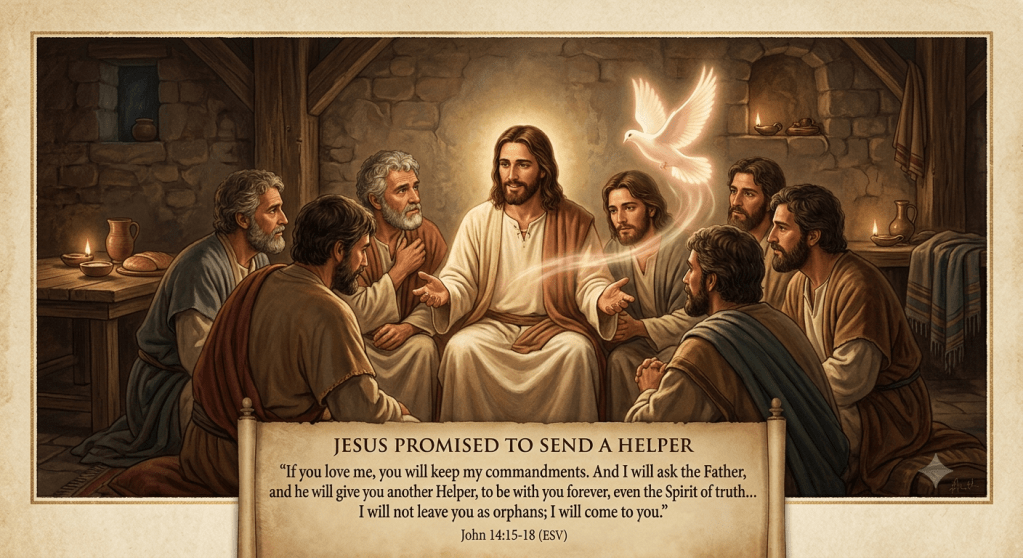
Jesus Promised To Send a Helper
In John 14:15-24, Jesus emphasizes that love for Him is demonstrated through obedience to His commandments. He promises to send the Holy Spirit, the “Helper,” to dwell within believers, ensuring they are not left as orphans. This intimate relationship with God fosters a mutual love and support between Him and His followers.
-

Will Jesus Do Whatever We Ask?
In John 14:8-14, Jesus reveals that seeing Him is seeing the Father, as they are one. He promises that believers will do His works—and even greater ones—because He is going to the Father. Whatever we ask in His name, He will do, so the Father is glorified through the Son.
-

Jesus Is The Only Way To God
In John 14:1-7, Jesus comforts His troubled disciples by calling them to believe in Him. He promises to prepare a place for them in His Father’s house and assures them He will return to take them to be with Him. Declaring, “I am the way, the truth, and the life,” Jesus teaches that He alone…
-

Did Jesus Give a New Command?
After Judas departs, Jesus announces His glorification through the cross and His imminent departure. He gives His disciples a new commandment to love one another as He has loved them, declaring this love will identify them as His followers. He tenderly warns Peter of his coming threefold denial.
-

Jesus Was Troubled by Judas’ Betrayal
In John 13:21-30, Jesus, deeply troubled in spirit, openly announces that one of His disciples will betray Him. He identifies Judas by giving him a dipped morsel of bread as a final act of love and honor. After Satan enters Judas, Jesus tells him to act quickly. Judas immediately leaves into the night, while the…

