
Author: Gabriel Mattix
-

Kiss The Son
This poem emphasizes Jesus Christ as the Lord and the source of salvation. It calls for repentance and acceptance of His grace, highlighting the consequences of rejecting Him. Through His selfless death, believers are offered forgiveness and a relationship with God. Trusting in Christ leads to life and joy, urging immediate response.
-

Avoid Foolish Controversies
In Titus 3:9-15, Paul instructs Titus to avoid pointless arguments and to address divisive individuals firmly. He emphasizes the importance of good works and aiding ministry workers. Paul expresses personal wishes for Titus and concludes with a call for grace and unity among believers, reinforcing community and fruitful living for Christ.
-

The Pit of Despair
“The Pit of Despair” by Gabriel Mattix is a devotional Christian poem recounting personal salvation. The speaker cries from a self-made pit of sin and despair; Jesus descends into the mire, suffers, dies, and rises victoriously to redeem him. It celebrates Christ’s sacrificial love, triumph over death, and promise of eternal joy in God’s kingdom.
-

The Fear of Man is a Snare
Seeking approval from others leads to spiritual decay. We should honor God above all, respond in love to adversity, and embrace the eternal life given by Christ, free from earthly fears.
-

God Alone Can Raise
This poem encourages grace in the face of ridicule, emphasizing that we are all in need of salvation by God’s grace. It calls for believers to share the gospel of Jesus Christ, who saves and transforms lives. Despite opposition, the mission remains to spread love and hope to the lost.
-

Be Ready For Every Good Work
In Titus 3:1-8, Paul urges believers to submit to authorities, demonstrate kindness, and engage in good works, reminding them of their former disobedience. Salvation comes through God’s mercy, not personal righteousness. Believers are justified by grace, becoming heirs of eternal life, prompting them to live righteously out of gratitude.
-

The Uncreated Creator
This poem reflects on the beauty of creation, illustrating moments with various creatures like butterflies, hawks, and hummingbirds. It emphasizes the existence of a Creator, Jesus Christ, who desires a relationship with humanity. Despite sin, His mercy and sacrifice offer salvation, encouraging belief and gratitude for His gifts of life and grace.
-

Heaven’s Shore
This poem expresses a longing for Heaven, highlighting the hope of eternal life and comfort in Christ. It reflects on human suffering and sin, emphasizing Jesus’ sacrifice, resurrection, and the promise of salvation. Ultimately, it celebrates the joy of being united with the Lord, who grants eternal life to believers.
-
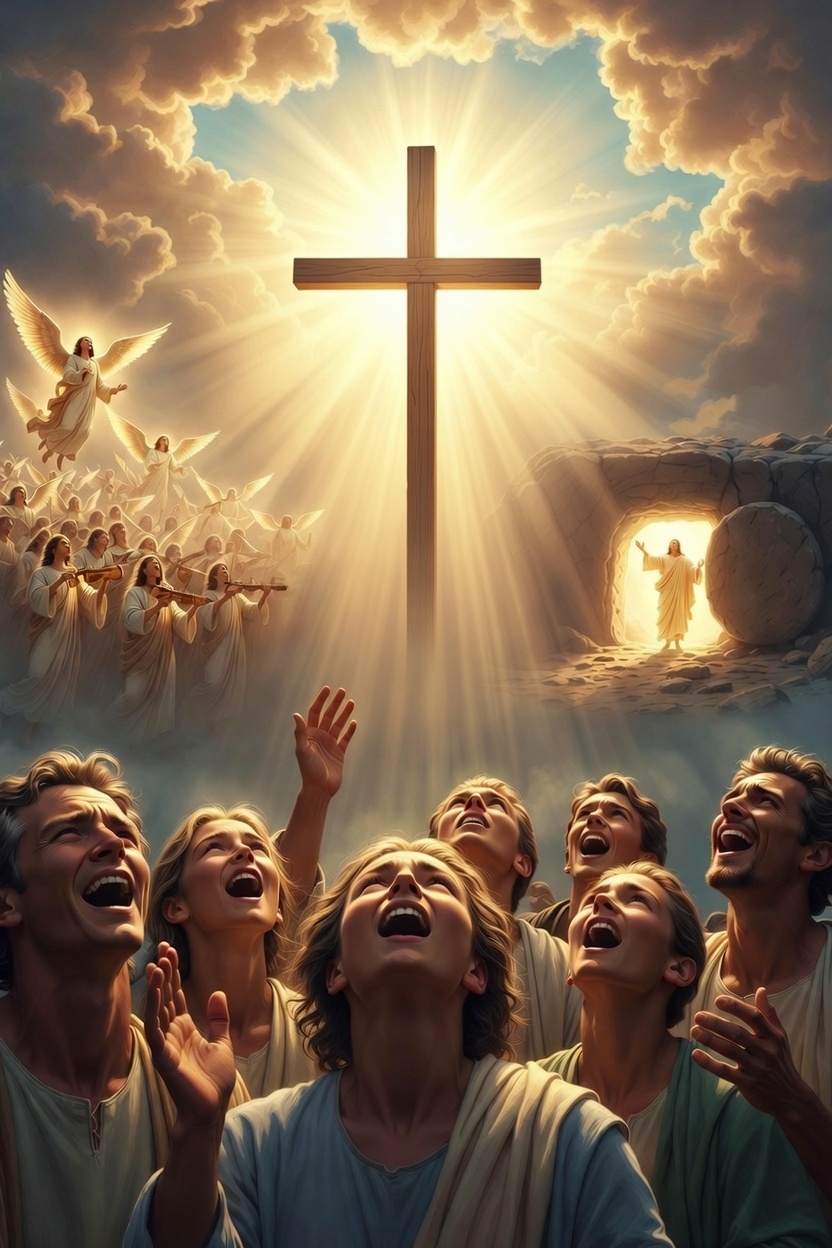
Sing Oh Sing
This poem is a devotional piece celebrating the significance of Jesus Christ’s sacrifice and resurrection. It emphasizes conversion, trust in Him for salvation, and the promise of eternal life versus the consequences of rejection. The message encourages believers to worship God and find hope in His mercy and grace.
-
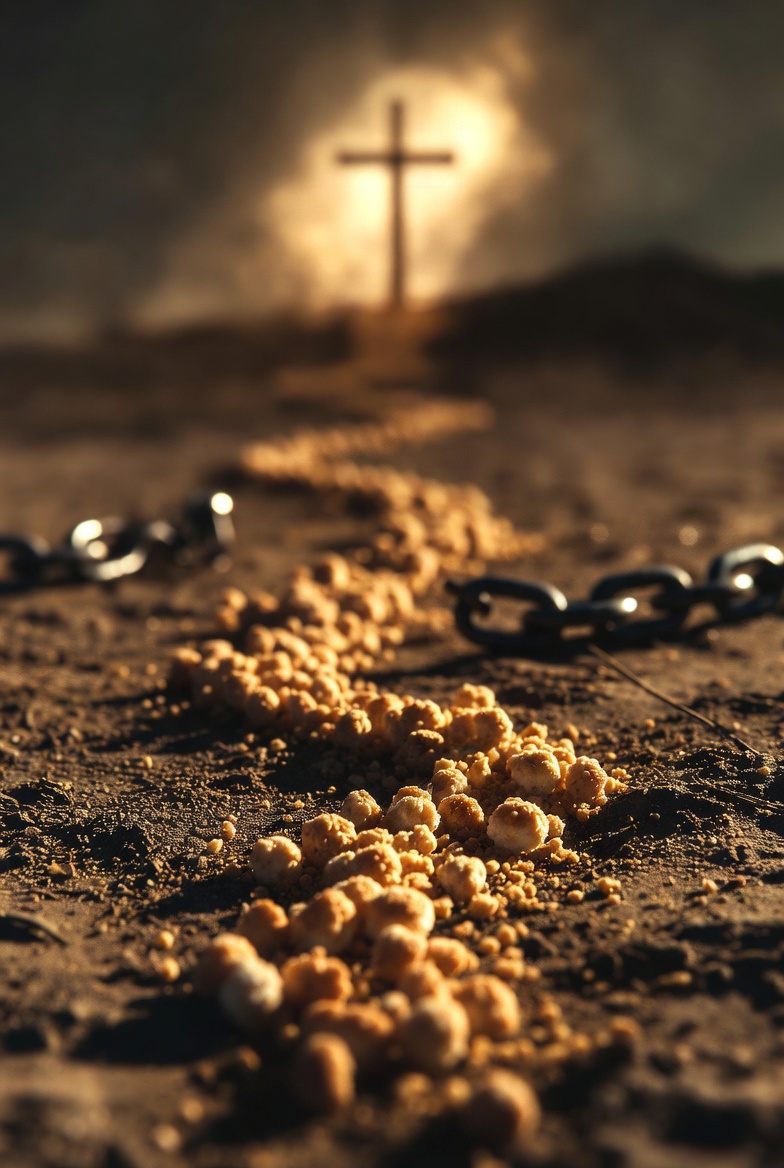
Breadcrumbs
This poem emphasizes the transformative power of Christ’s love and the responsibility of believers to share the gospel. It reflects on humanity’s struggles with sin and God’s grace through Jesus’ sacrifice. The message encourages Christians to be messengers of hope, proclaiming salvation and love to others while fulfilling God’s purpose in their lives.
 Home
Home 