
Author: Gabriel Mattix
-
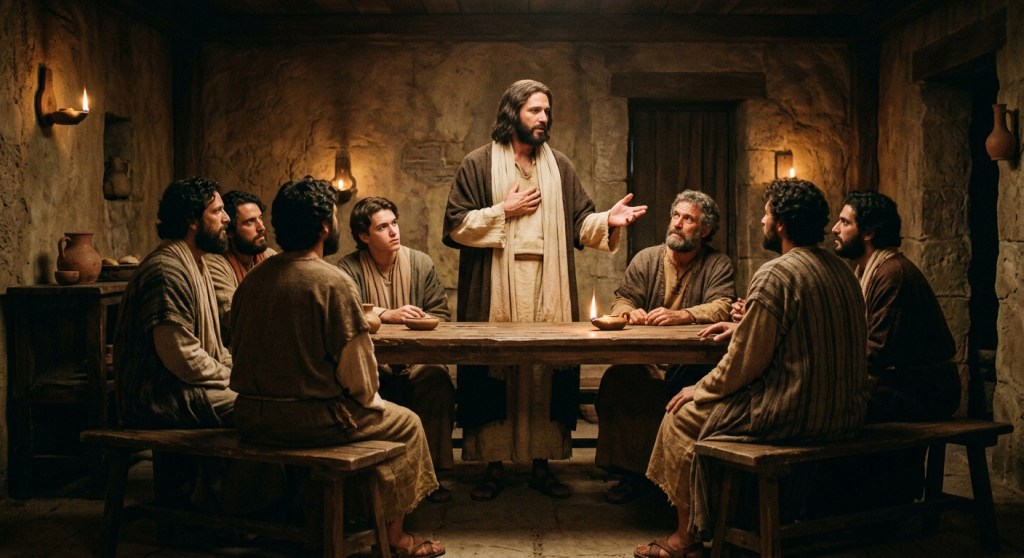
Jesus Warns of Persecution
Jesus warns His disciples of coming persecution—expulsion from synagogues and even death by those believing they serve God—to prevent them from falling away. Such opposition stems from ignorance of the Father and Son. He reveals this in advance so they will remember and stand firm, knowing temporary suffering will yield eternal good.
-

Fill Our Eyes With Tears
This poem reflects on spiritual blindness and humanity’s indifference to divine truth. It emphasizes that only through Christ can individuals overcome their blindness and experience transformation. The speaker calls for compassion towards those still lost, expressing a desire for God to open their eyes and bring them to faith.
-

Your Glory Alone
This poem is a heartfelt prayer seeking only God’s glory, not personal fame. The author asks to be a humble vessel of grace, confesses past self-seeking, and proclaims Jesus as the merciful Savior who died on the cross and rose again. In Him alone is forgiveness, salvation, and victory over death.
-

The World Hates Jesus
In John 15:18-27, Jesus prepares His disciples for the world’s hatred, highlighting that their persecution mirrors His own. He emphasizes that rejection of Him equates to rejection of the Father. Promising the Spirit of Truth will guide them, Jesus affirms their witness amidst adversities, assuring them that God’s redemptive plan prevails despite opposition.
-
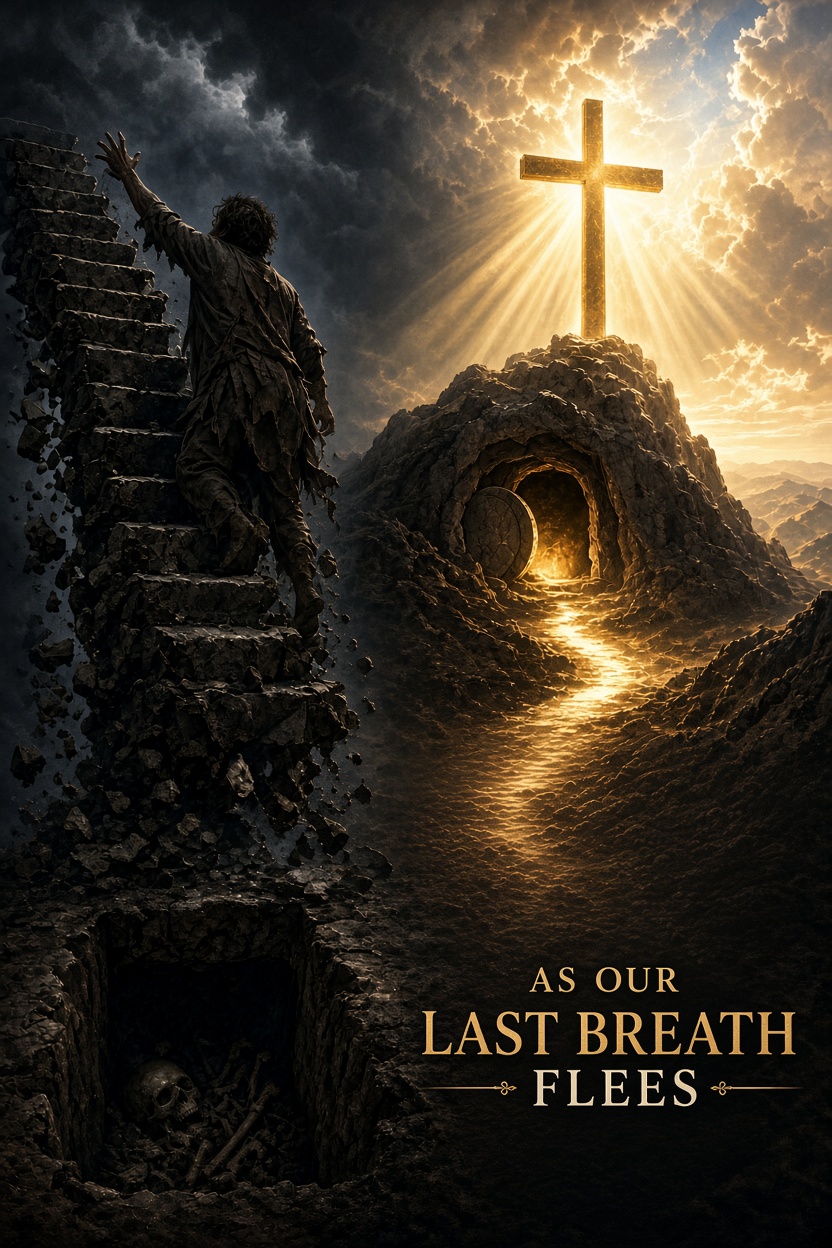
As Our Last Breath Flees
This poem warns that earthly success, fame, and wealth are fleeting and cannot save us from death—life is but a brief shadow. Yet we need not despair: Jesus Christ left heaven, died to pay our ransom, and rose again. Trusting Him alone brings eternal life, true riches, and lasting joy beyond the grave.
-

Wolves Into Sheep
Saul, once a fierce persecutor of Christians, encounters the risen Jesus on the road to Damascus. Blinded and transformed, he becomes the apostle Paul. From wolf to sheep, dealer of death to vessel of life, his story shows how repentance and trust in Christ turn sinners into conduits of God’s love and glory.
-

Lift Your Eyes Up
This poem reflects on the passage of time, encouraging self-awareness and repentance. It emphasizes the need to repent of sin and trust in Jesus Christ as the source of salvation and eternal life through His sacrifice. The message is one of hope, urging individuals to seek peace and salvation in Christ without delay.
-
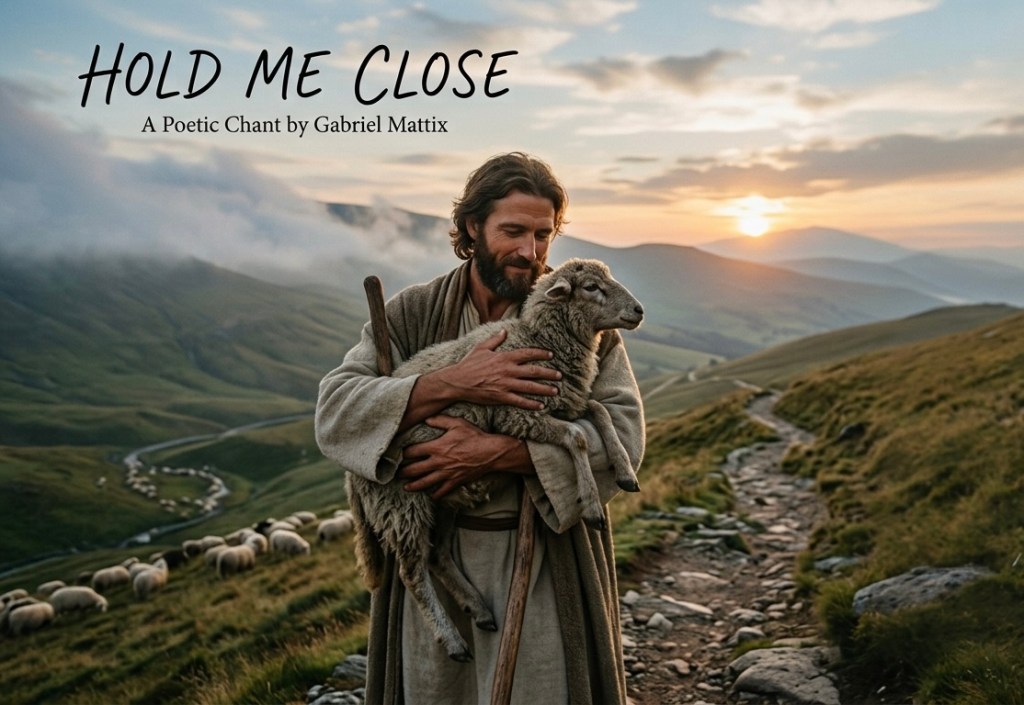
Hold Me Close
In this heartfelt Christian poem, the speaker praises Jesus, the Good Shepherd, asking to be held close and bound to Him by love. Confessing past straying into sin, the poet rejoices in Christ’s pursuit, sacrificial death, and cleansing grace. The refrain blesses the Lord’s name, longing to dwell forever in His presence.
-

Come To Me
Jesus invites all to come to Him, for He has already paid for their sins and conquered death. He offers peace, spiritual sight, rest, and eternal life to those who trust Him. Though none are righteous, in love He died, rose again, and promises to raise believers and meet their every need.
-

Go Down To Go Up
Jesus inverted the world’s idea that the lesser must serve the greater. The greatest One stooped to wash our feet and die for our sins. His descent to the cross gave way to exaltation. We too must go down in humble faith to rise with Him, receiving forgiveness, life, and eternal glory through faith in…

