
Tag: Gospel of John
-

Jesus Gave An Example
In John 13:12-20, Jesus washes His disciples’ feet, demonstrating humility and servanthood. He emphasizes the importance of following His example and serving one another. Jesus reveals His knowledge of Judas’s betrayal, illustrating His divine authority. Ultimately, accepting Jesus means accepting God, because Jesus is God.
-
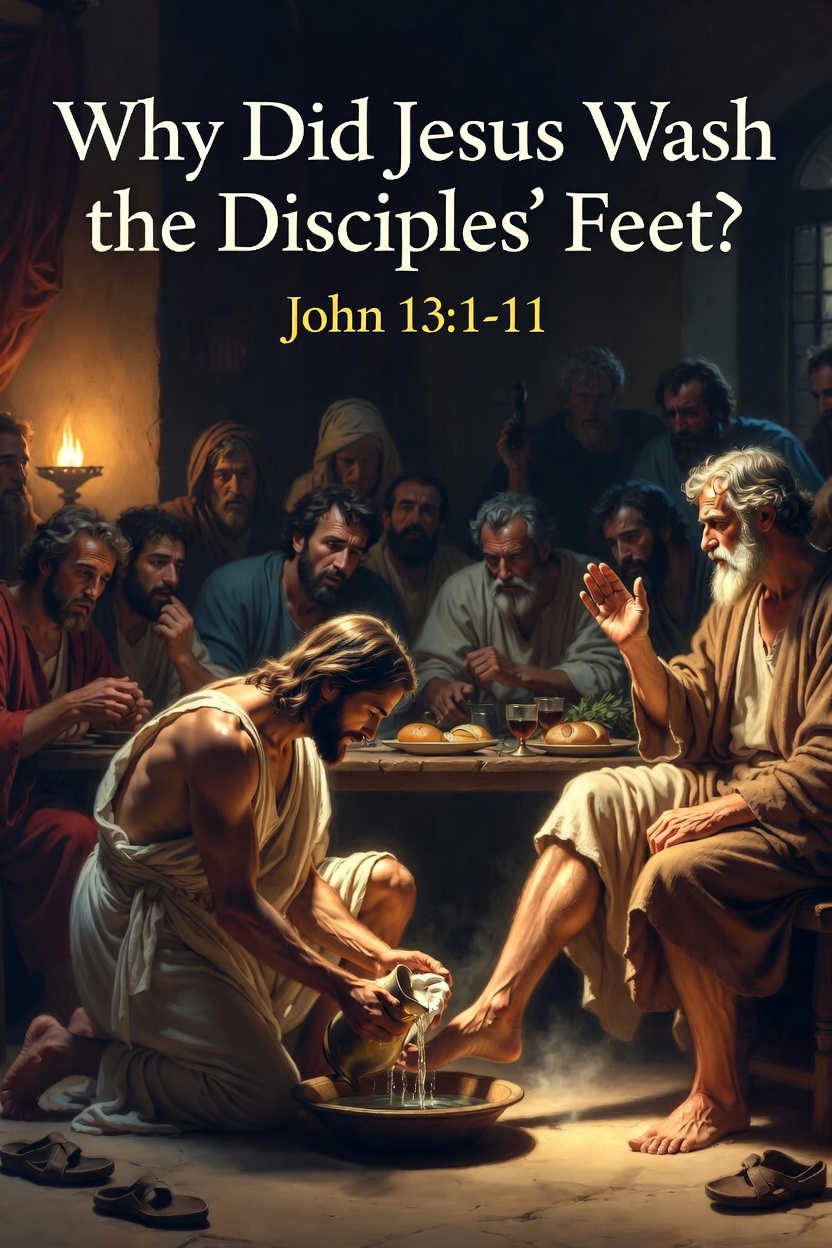
Why Did Jesus Wash the Disciples’ Feet?
In John 13:1-11, Jesus, knowing His hour had come, humbly washed His disciples’ feet during supper — even Judas’s. This act of servant love symbolized the spiritual cleansing He would provide through His coming death on the cross. True greatness is found in humble service, and only Jesus’ cleansing brings us a share with Him.
-

Jesus Came To Save The World
In John 12:44-50, Jesus emphasizes that to believe in Him is to believe in in God the Father. He came as a light to save rather than judge humanity, and His words will ultimately bring judgment to those who reject Him. Jesus speaks with divine authority, offering eternal life to believers.
-
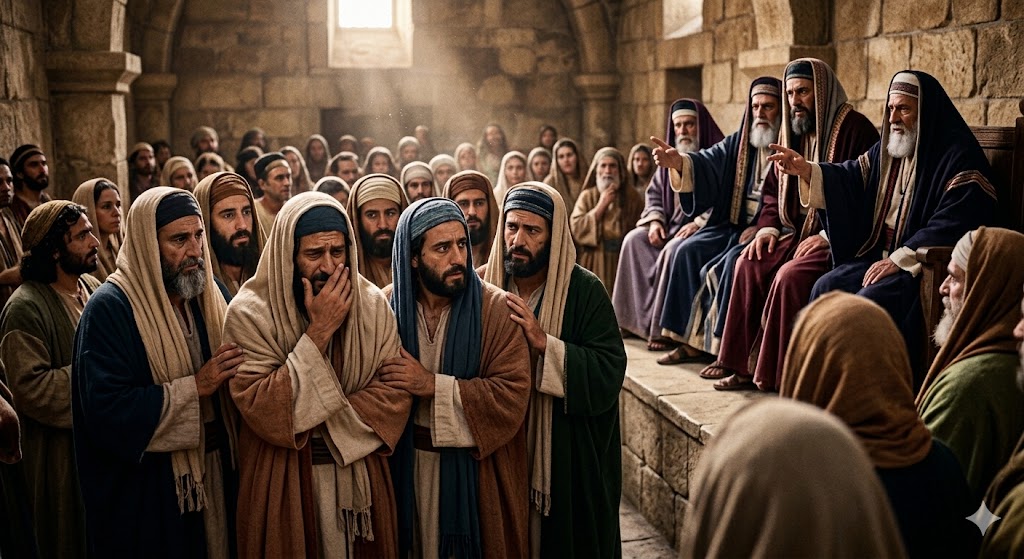
Many People Did Not Believe in Jesus
In John 12:37-43, despite witnessing Jesus’s miracles, many did not believe, fulfilling Isaiah’s prophecy. This unbelief is depicted as divine judgment, highlighting the human heart’s rejection of God. Although some leaders believed secretly, fear of social ostracism deterred them from confessing. The passage emphasizes the need for God’s revelation to overcome stubbornness in faith.
-
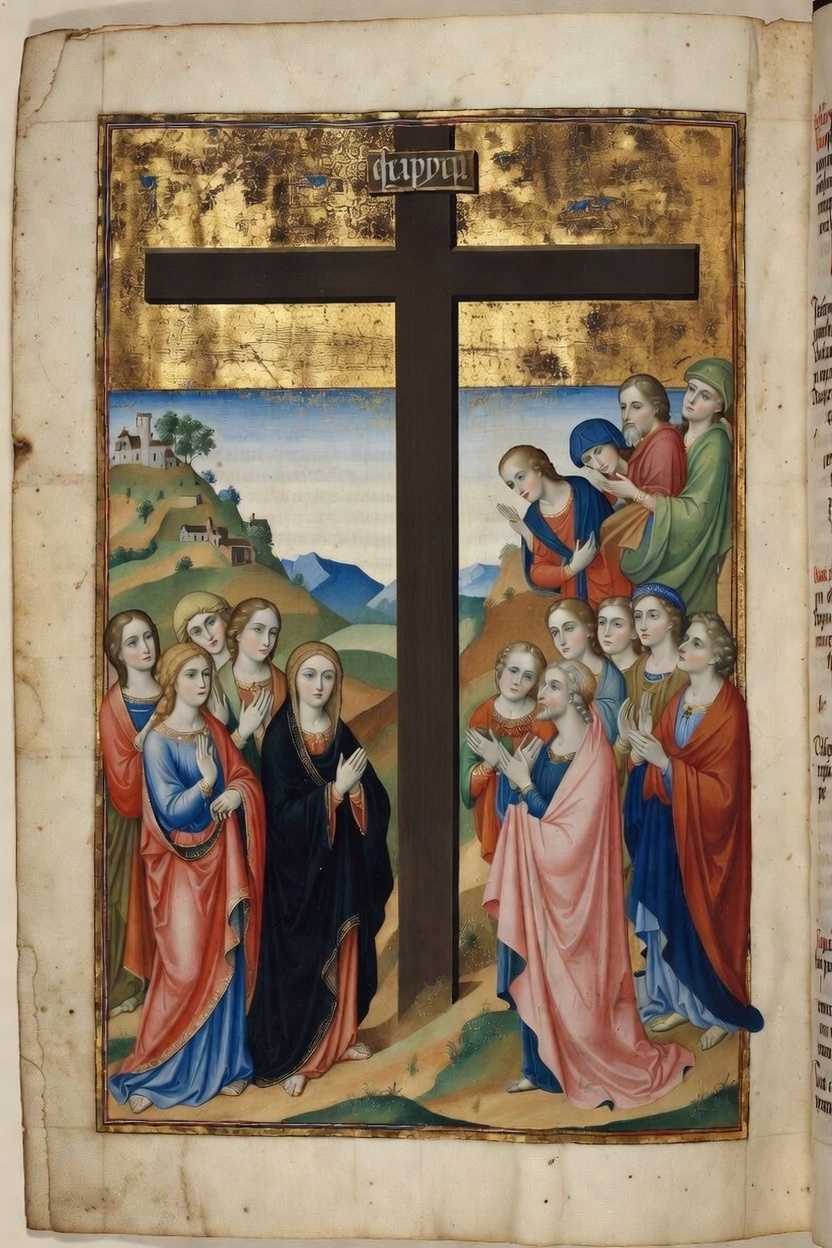
Jesus Was Troubled
In John 12:27-36, Jesus expresses deep inner turmoil about his approaching crucifixion yet affirms his commitment to fulfill God’s will. A divine voice reassures the crowd of Jesus’ divine mission while he emphasizes the necessity of following the light he represents. This passage illustrates Jesus’ humanity, his obedience, and the spiritual battle against darkness.
-

Hate Life to Gain Life
In John 12:20-26, Greeks seeking Jesus symbolize the world’s interest in Him amid growing opposition from Jewish authorities. Jesus highlights that His glorification requires His death, using the metaphor of a seed that must die to produce fruit. He calls His followers to embrace self-denial and faithful service, promising eternal life and honor from God.
-
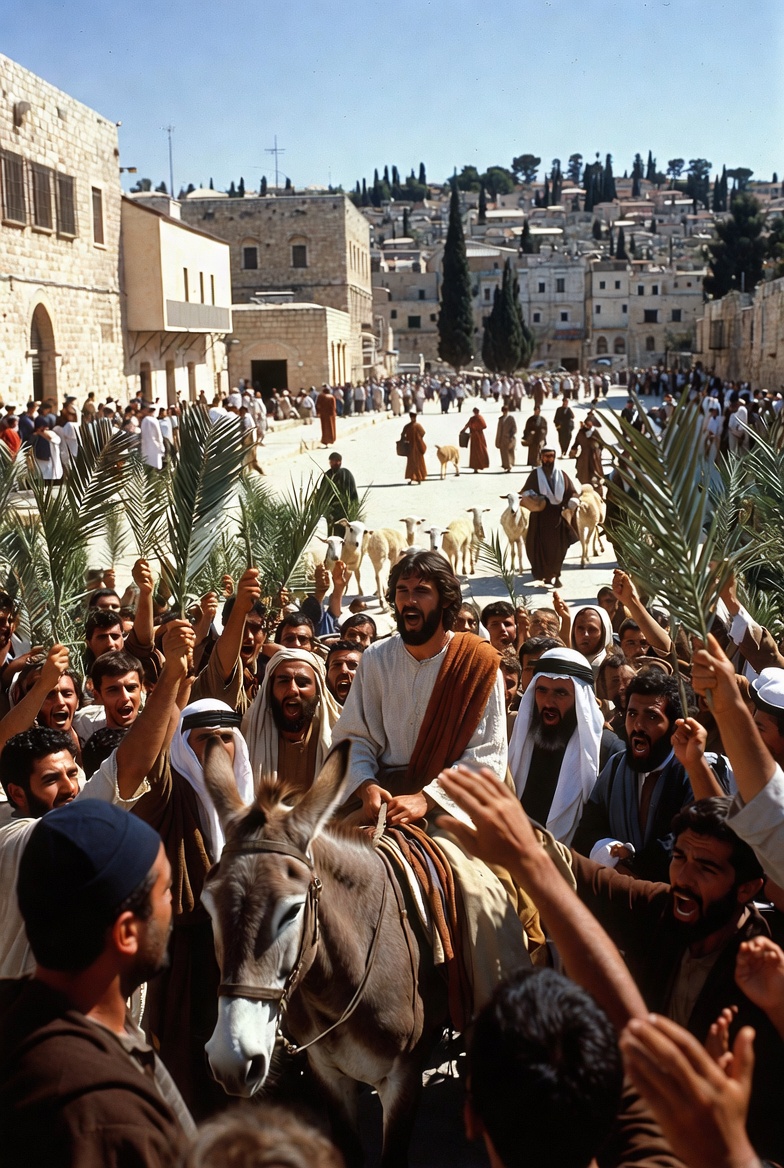
The World Goes After Jesus
In John 12:12-19, a large crowd welcomes Jesus to Jerusalem, proclaiming him as the King of Israel. They wave palm branches, symbolizing national pride, yet misunderstand his mission. Riding a donkey, Jesus fulfills prophecy, indicating his peaceful intentions. Despite opposition from Pharisees, the crowd’s excitement foreshadows Jesus’ global impact.
-
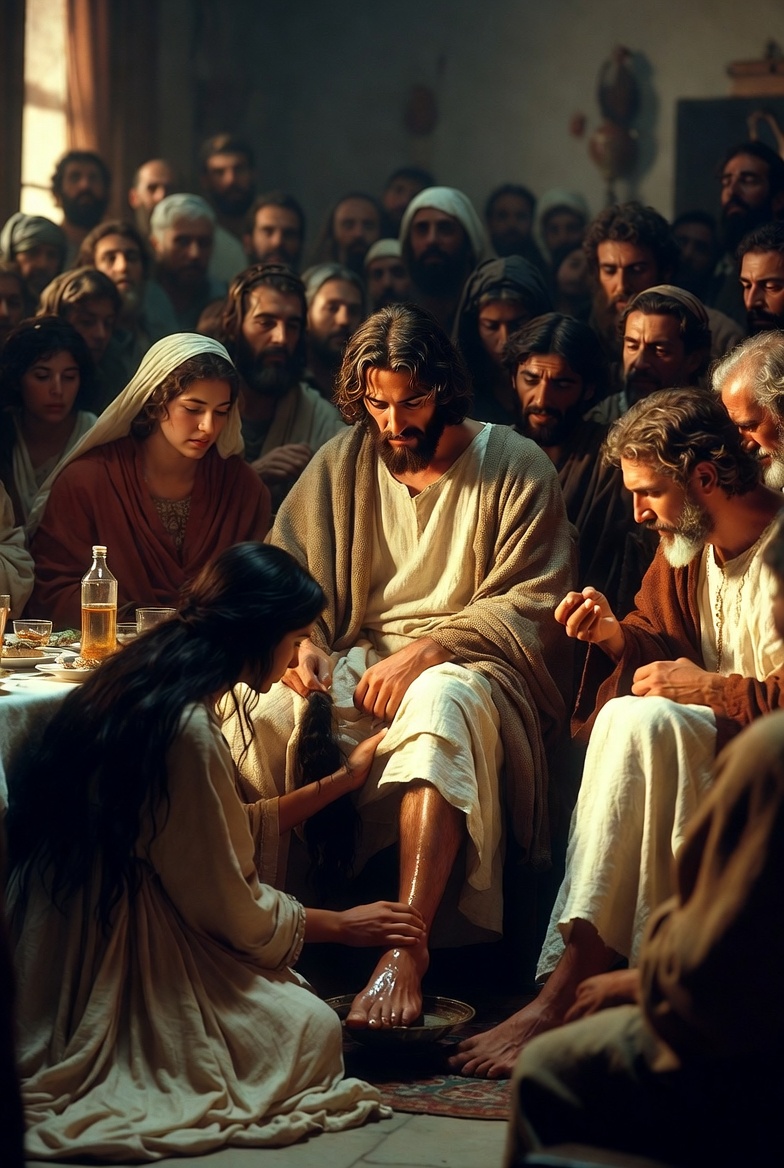
Mary Anoints Jesus
Six days before Passover, in Bethany, Mary pours costly nard on Jesus’ feet and wipes them with her hair in extravagant worship. The fragrance fills the house as Judas objects, revealing his greed. Jesus defends her, foreshadowing His burial. Crowds flock to see the risen Lazarus, prompting the chief priests to plot his death too.…
-

Jesus Raises a Dead Man
In John 11:38-44, Jesus, commands the stone at Lazarus’ tomb to be removed despite Martha’s concerns about odor. He praises God, raises Lazarus from the dead, and instructs those present to unbind him. This event illustrates Jesus’ power over death, emphasizing faith and foreshadowing believers’ future resurrection.
-

Believe in Jesus and Never Die
In John 11:17-27, Jesus arrives at Bethany where Lazarus has been dead for four days. Martha expresses her belief that Jesus could have saved Lazarus while affirming her faith in the resurrection. Jesus proclaims Himself as “the resurrection and the life,” inviting her to believe in Him for eternal life, culminating in her declaration of…

